A public humanities portfolio of research and creative projects produced to cultivate social healing in society, by nourishing our relationships with ourselves, our communities, our histories and the environment.
An artist-researcher’s workshop for experiments in studying everyday Nigerian life, expression and thought.
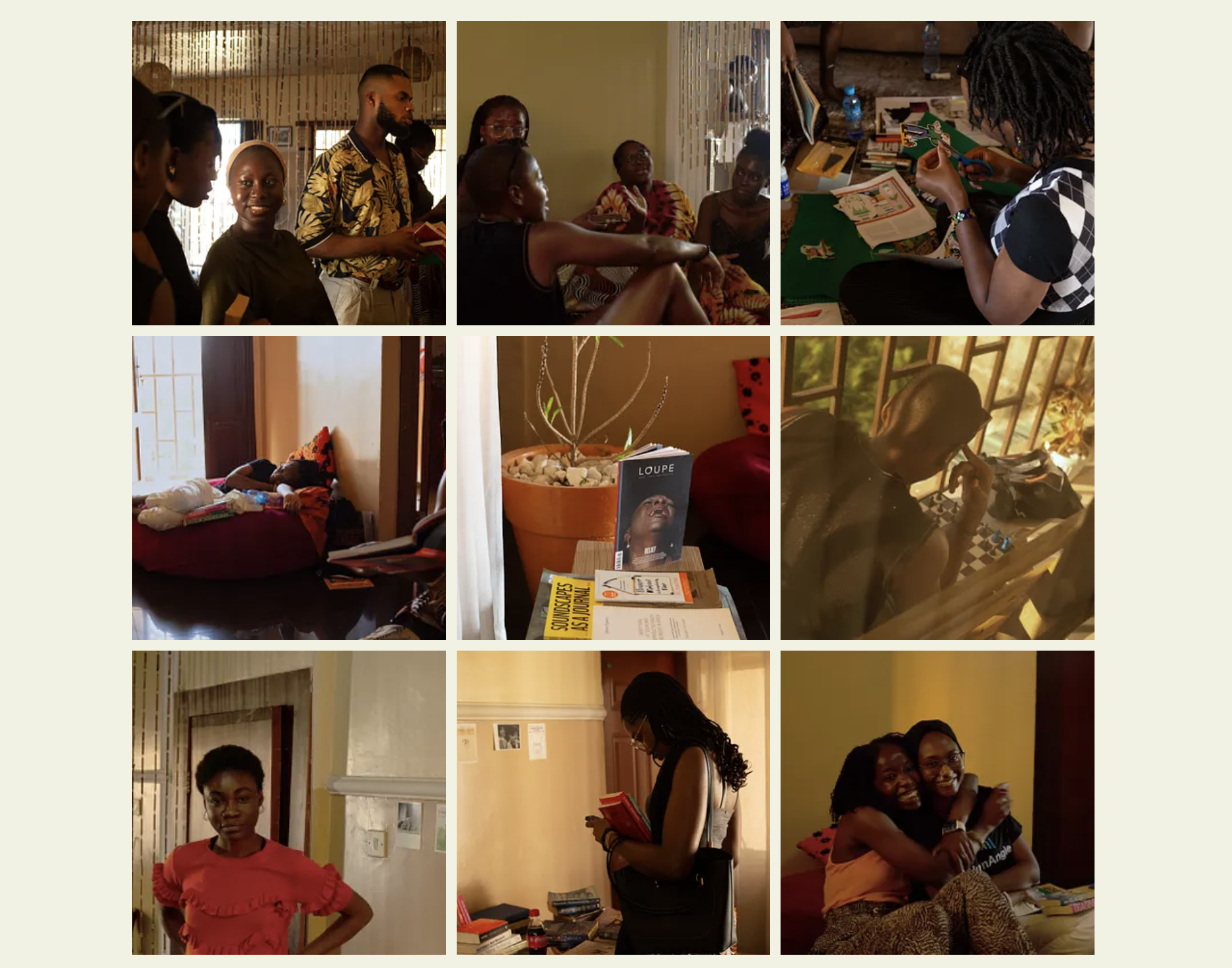
Studio Styles’s 2020–2025 projects were supported in different capacities by
2025: Independent Arts, Ugo Ude Anna, Ozoz Sokoh;
2024: Aaliyah Ibrahim, the Goethe-Institut Nigeria, the Open Society Foundations;
2023: Gradar Futures, Effiom Nyeh;
2021: Abuja Literary Festival;
2020: For Creative Girls (mentored by Hallie Haller), Chidera Okobo, Frank Akpa, Chukwuebuka Ibeh;

and all project collaborators as credited on each project.
Thank you for the contributions, participation, and support from everyone who has attended any studio event or engaged with any studio project.Thank you.
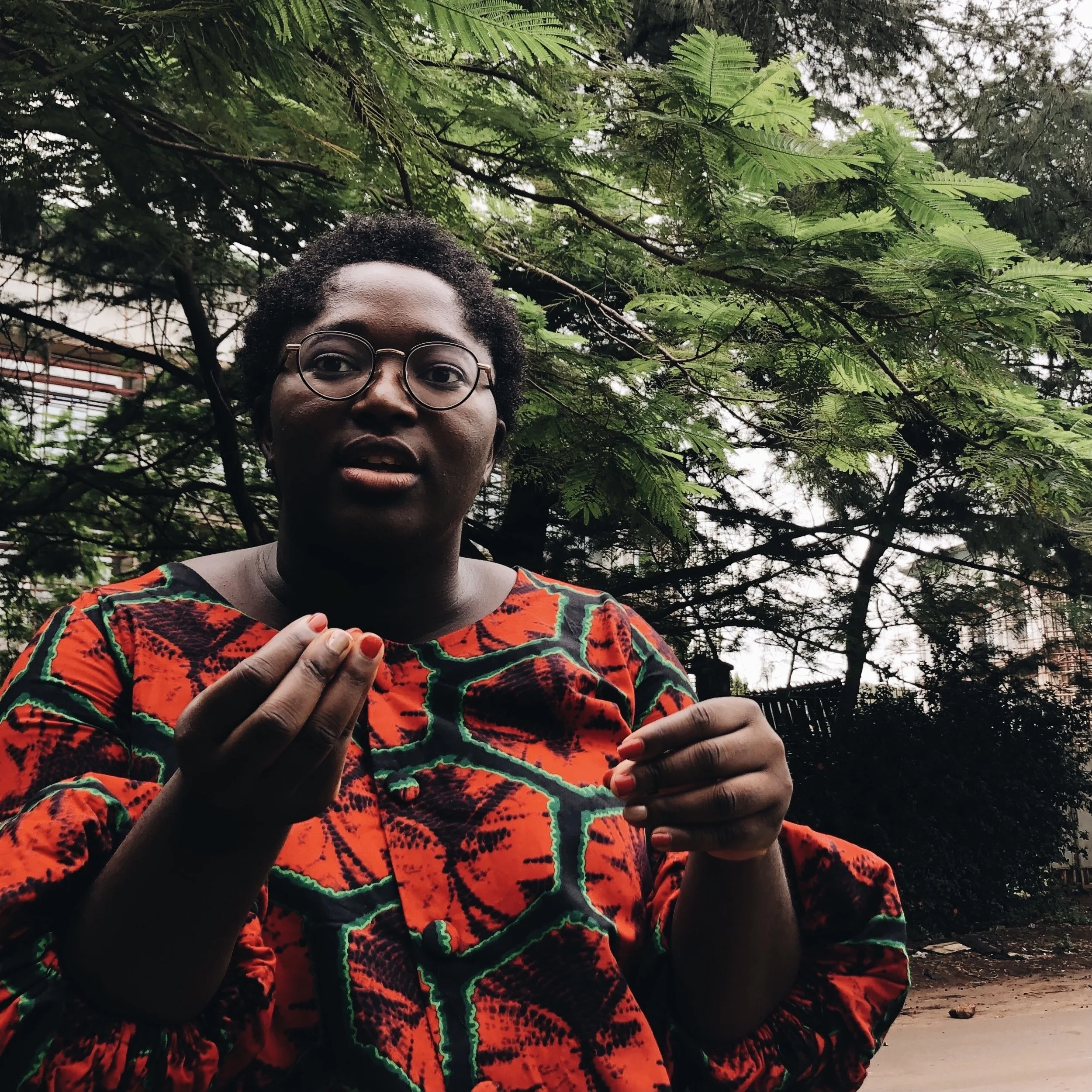
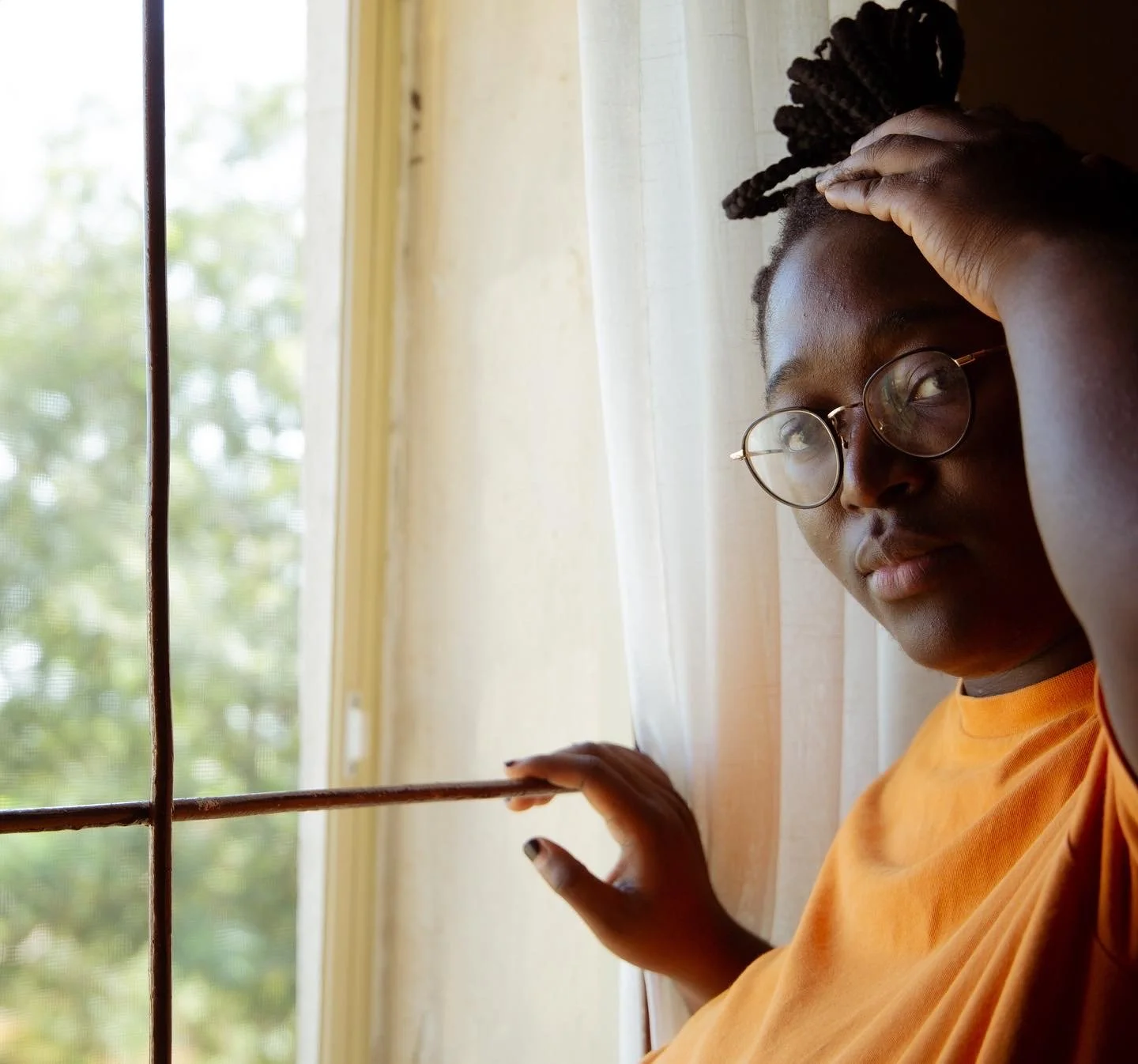
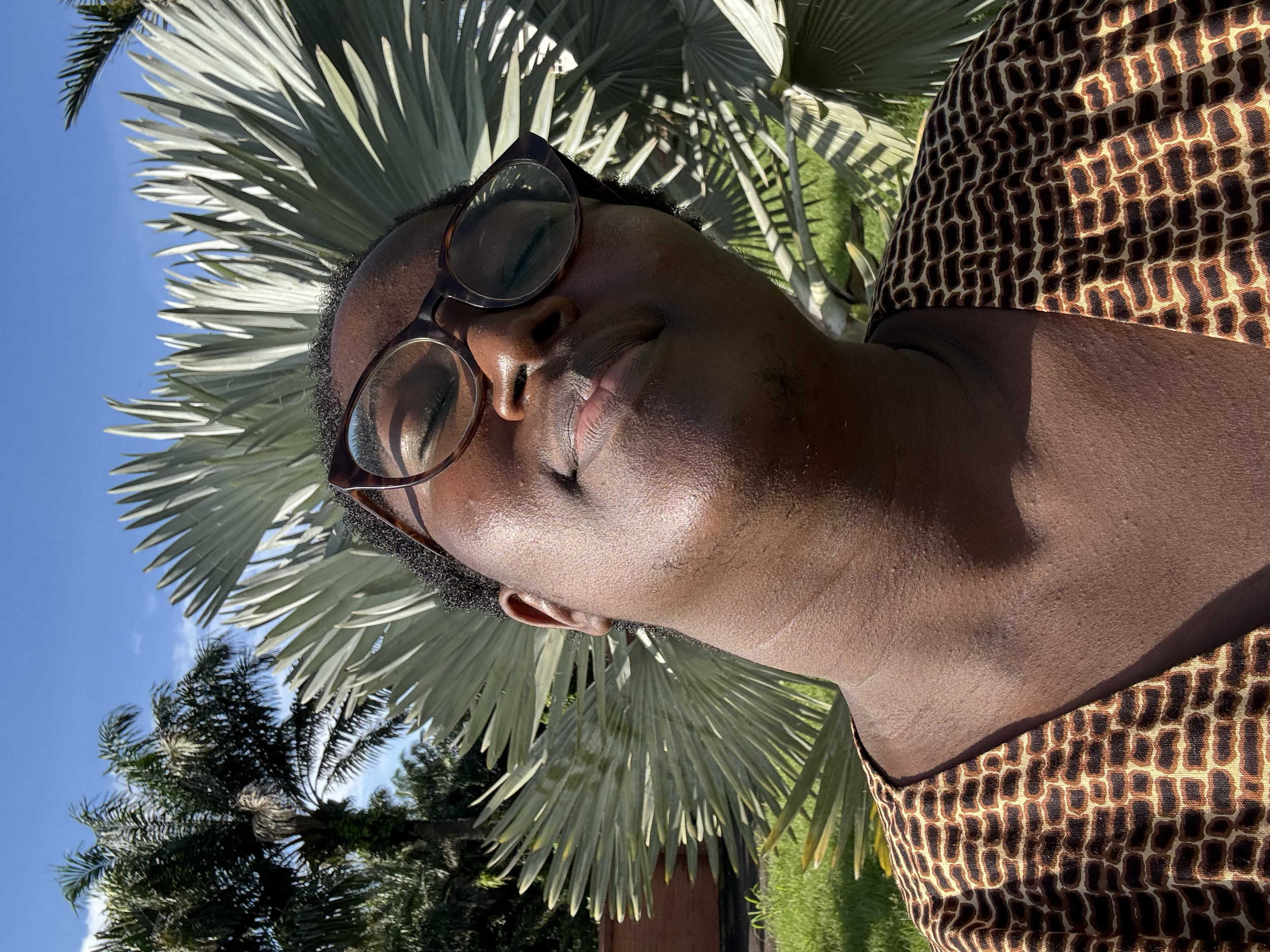
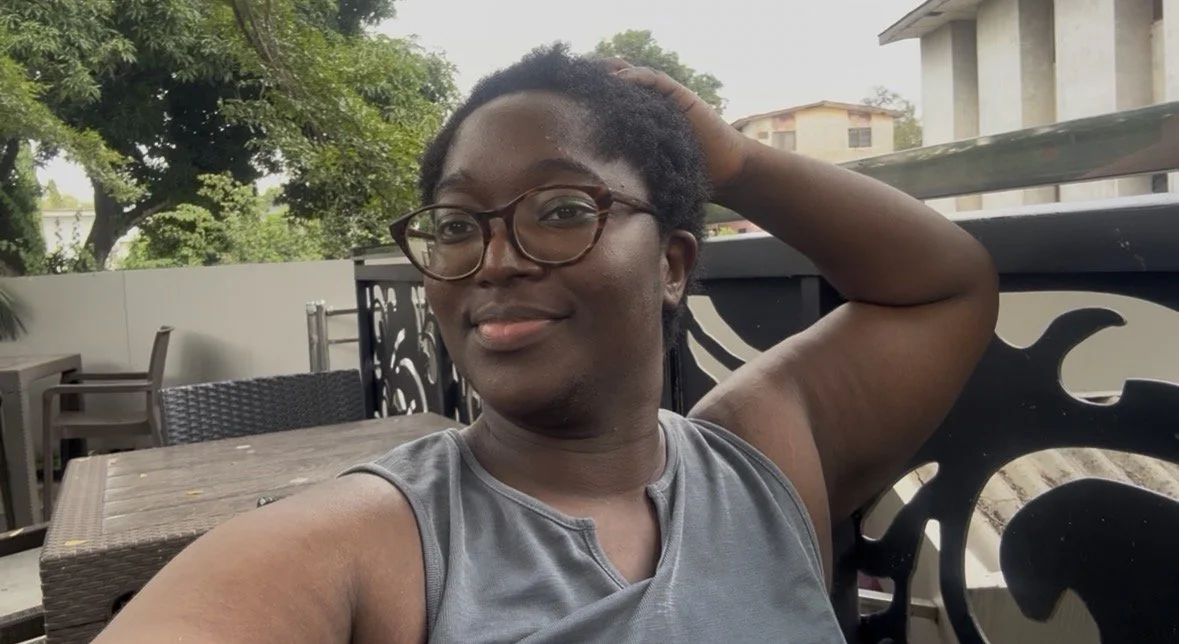
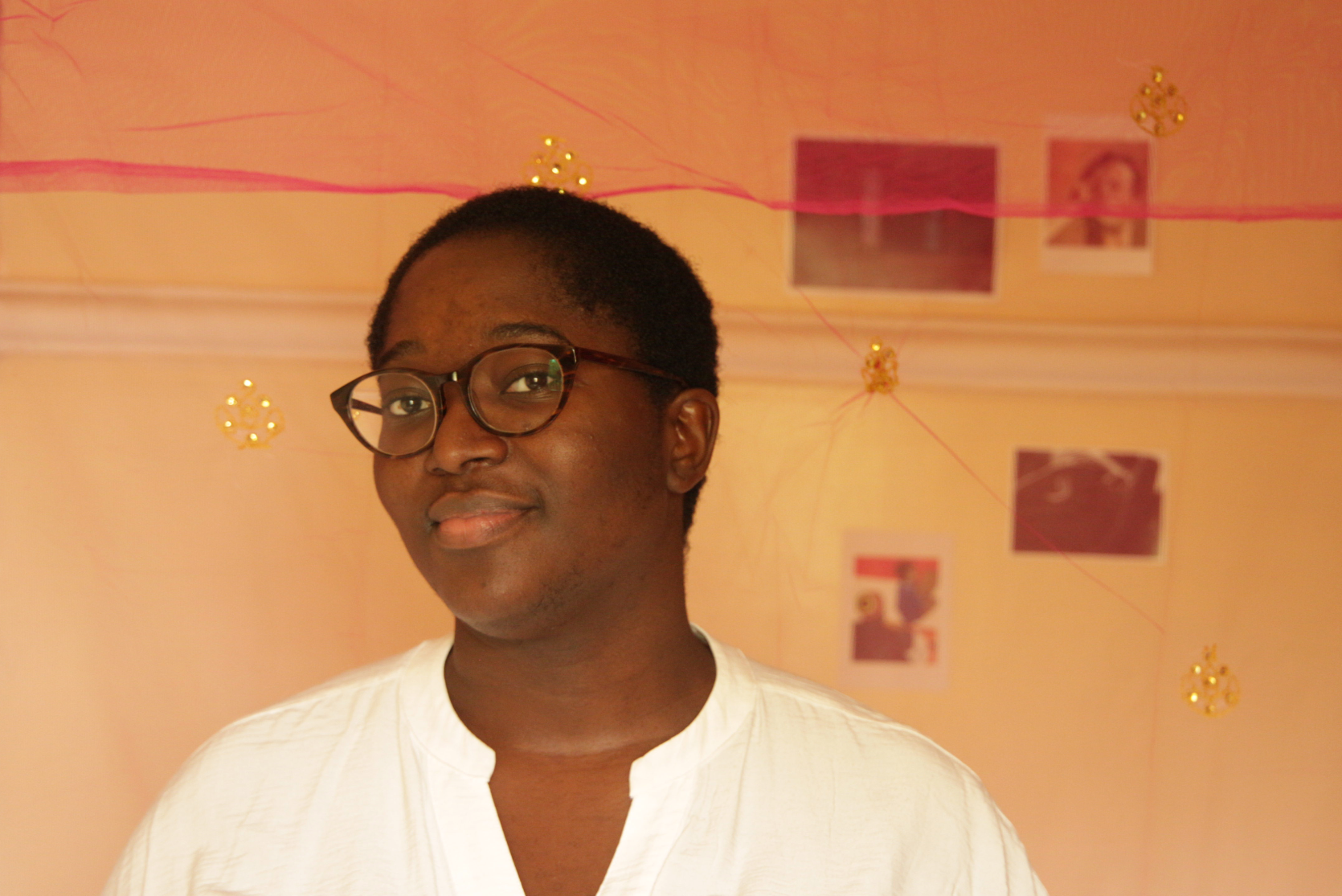
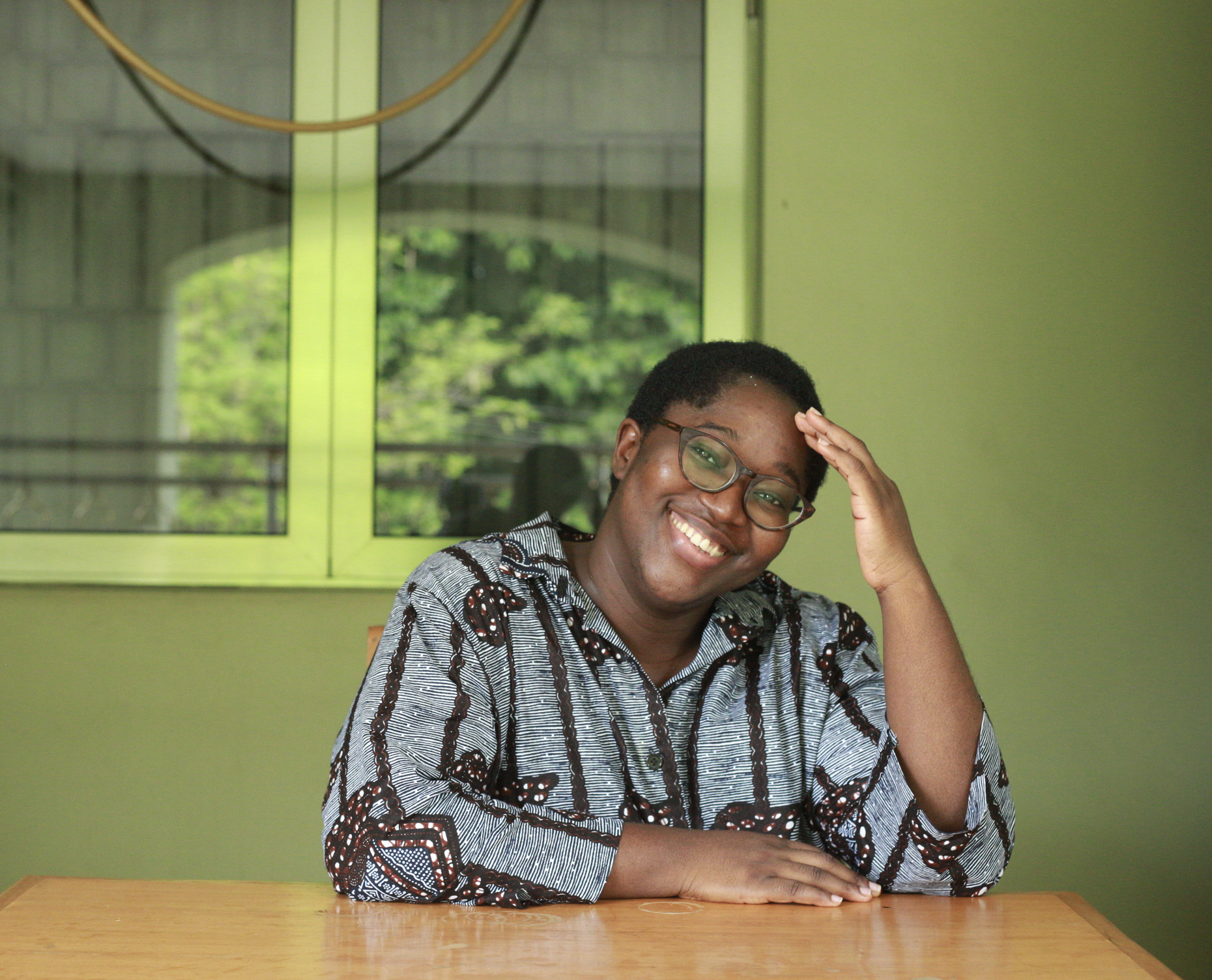
Studio Founder
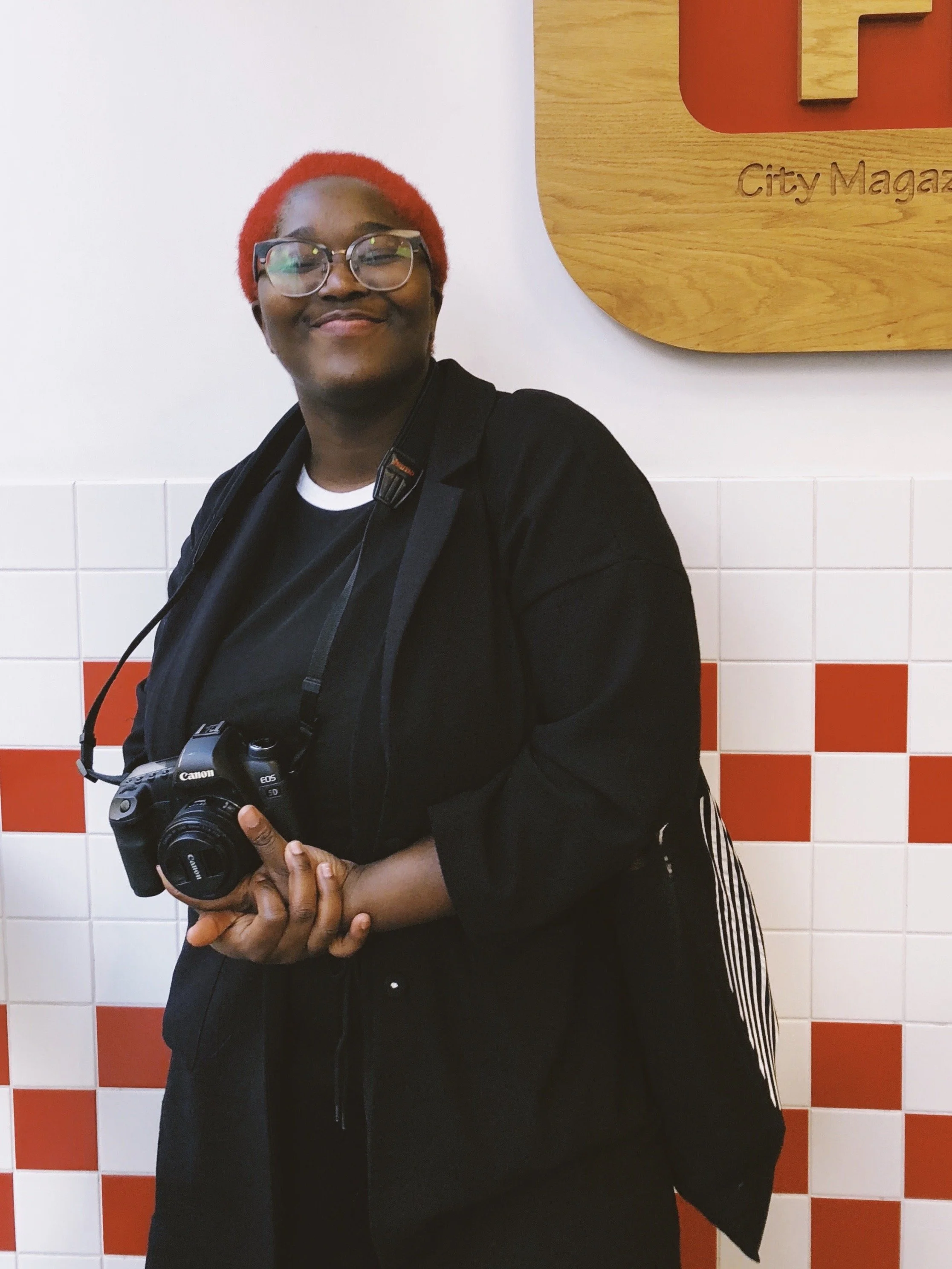
Rose is an artist and researcher. Between 2020 and 2026, she ran Studio Styles, a public humanities studio whose key projects include You Matter to Me (film, 2022), Our Bodies Nigeria’s Ghosts (film, 2025), the Restful anthology of Nigerian reflections (2025), the Sweet Medicine podcast on social healing through the humanities, and the 2025 Culture Pay Report.
In that time, she also worked as an independent writer, journalist, documentary photographer and filmmaker guided by the question: How are Nigerians making a living, finding belonging, and creating meaning in their lives? This line of enquiry resulted in over 30 articles and essays covering arts, culture, and social development in international publications such as AMAKA, The Architectural Review, Le Temps (Switzerland), Wax Poetics, and the DOCOMOMO Journal. Her photography and film projects from this period have been showcased globally, including at the Lagos Studies Association, Lagos Photo Festival, Bamako Biennale, BFI London, Jameel Arts Centre Dubai, and the Los Angeles County Museum of Art (LACMA).
Extending her studio’s reach in 2024, she worked as a project consultant for the Centre for Democracy & Development (NG)’s Archives of the Nigerian Left project, and worked across the collections and public art education departments as a Research Fellow at the Zeitz Museum of Contemporary African Art (South Africa).
Earlier in her career, she supported archival curation for African and Caribbean diaspora heritage at the Huntley Archives (in the London Metropolitan Archives), and contributed archival research at the British Library and the National Archives (Kew) for Dr. Leslie James’s book The Moving Word: How the West African and Caribbean Press Shaped Black Political Thought, 1935–1960.
She has been awarded fellowships and grants by the Open Society Foundations, DOCOMOMO International, the Goethe-Institut Nigeria, the Library of Africa and the African Diaspora (LOATAD), the Royal African Society, and others.