In Pedagogy of the Oppressed, Paolo Freire writes that “any situation in which some individuals prevent others from engaging in the process of inquiry is one of violence. The means used are not important; to alienate human beings from their own decision-making is to change them into objects.” And I agree.
He went on to describe two opposing models of education: the traditional ‘banking model’ and the ‘problem-posing model’. In the former, learners are treated as containers into which knowledge is a thing deposited by authority figures, and in the latter, knowledge is a thing produced through dialogue and relationship: co-investigated, co-created, and lived.
I understand the banking model as a core expression of coloniality, a product not only of imperial conquest, but also of other forms of domination (interpersonal, institutional, and cultural) that condition us to distrust and denigrate our capacity to attend to our subjectivity and tell the truth about ourselves and our worlds as we see them, and our freedom to have those truths stand on their own, notwithstanding other truths and/or claims.
Events of colonisation, once enacted, cannot be undone. Some ruptures remain. But we can make new justices. We can cultivate alternative ways of relating to ourselves, to each other, to history, and to the environment… what I think of as sweet medicines, life-affirming practices of knowing, knowing as relationship and process rather than accumulation or possession.
My work here in Studio Styles is to experiment with, think about, and produce these sweet medicines for social healing, the process of increasing our capacity to say what is real for us. This work is part of a shared labour carried across time by those who have thought, built, and cared before me, and those who will continue after.
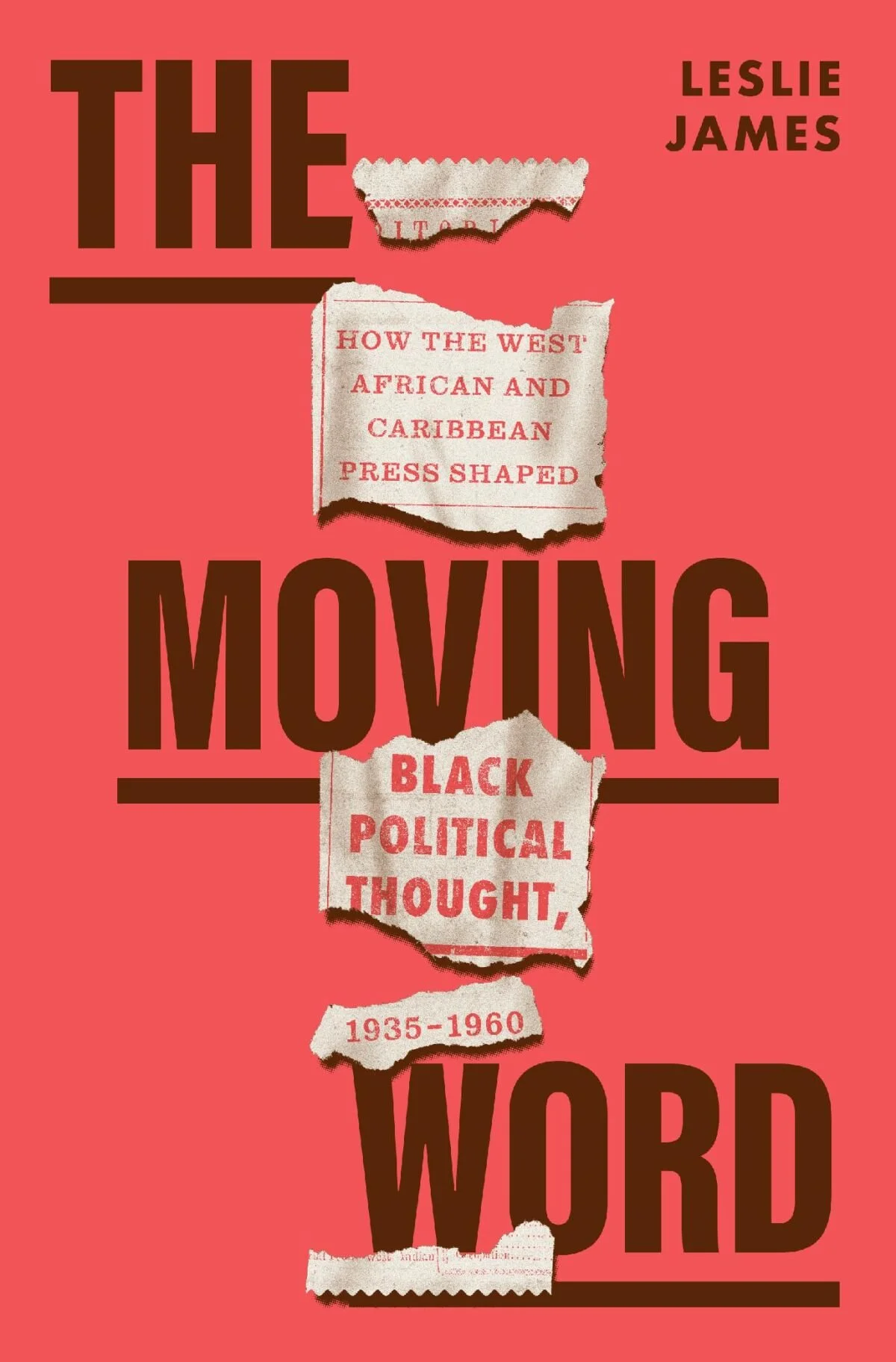
Some influences and resonances:
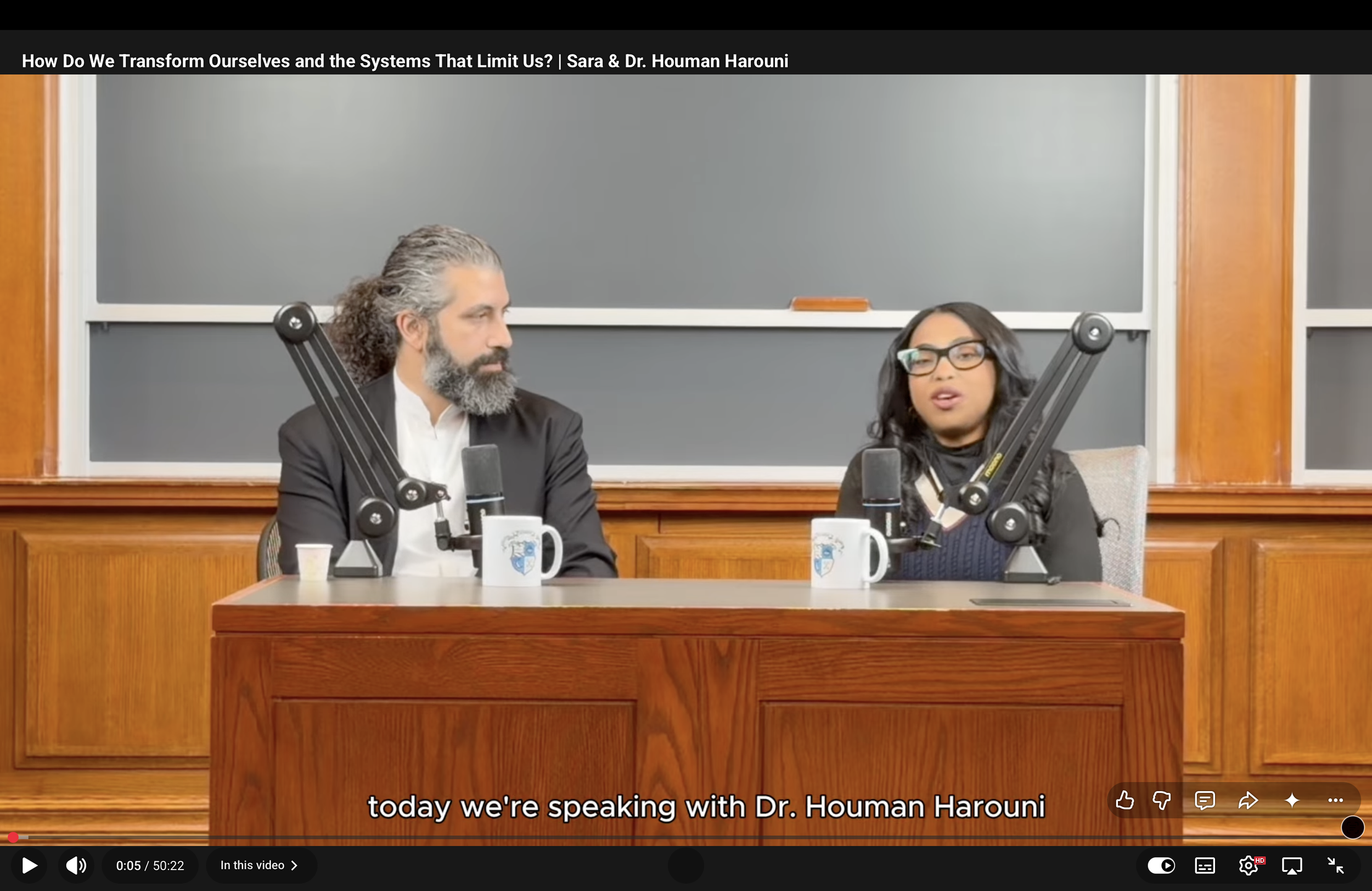
Sara Elamin & Dr. Houman Harouni discuss How Do We Transform Ourselves and the Systems That Limit Us?
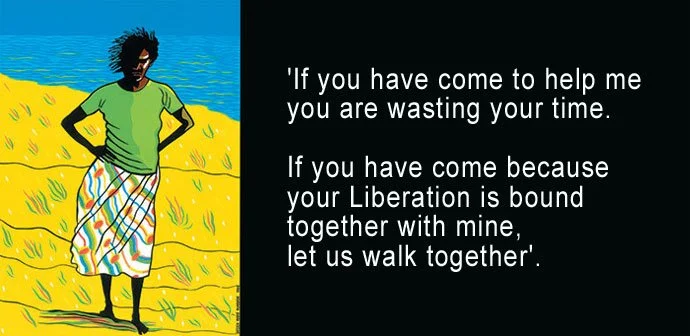
quote by an Aboriginal Rights group in Queensland, Australia, 1970s.
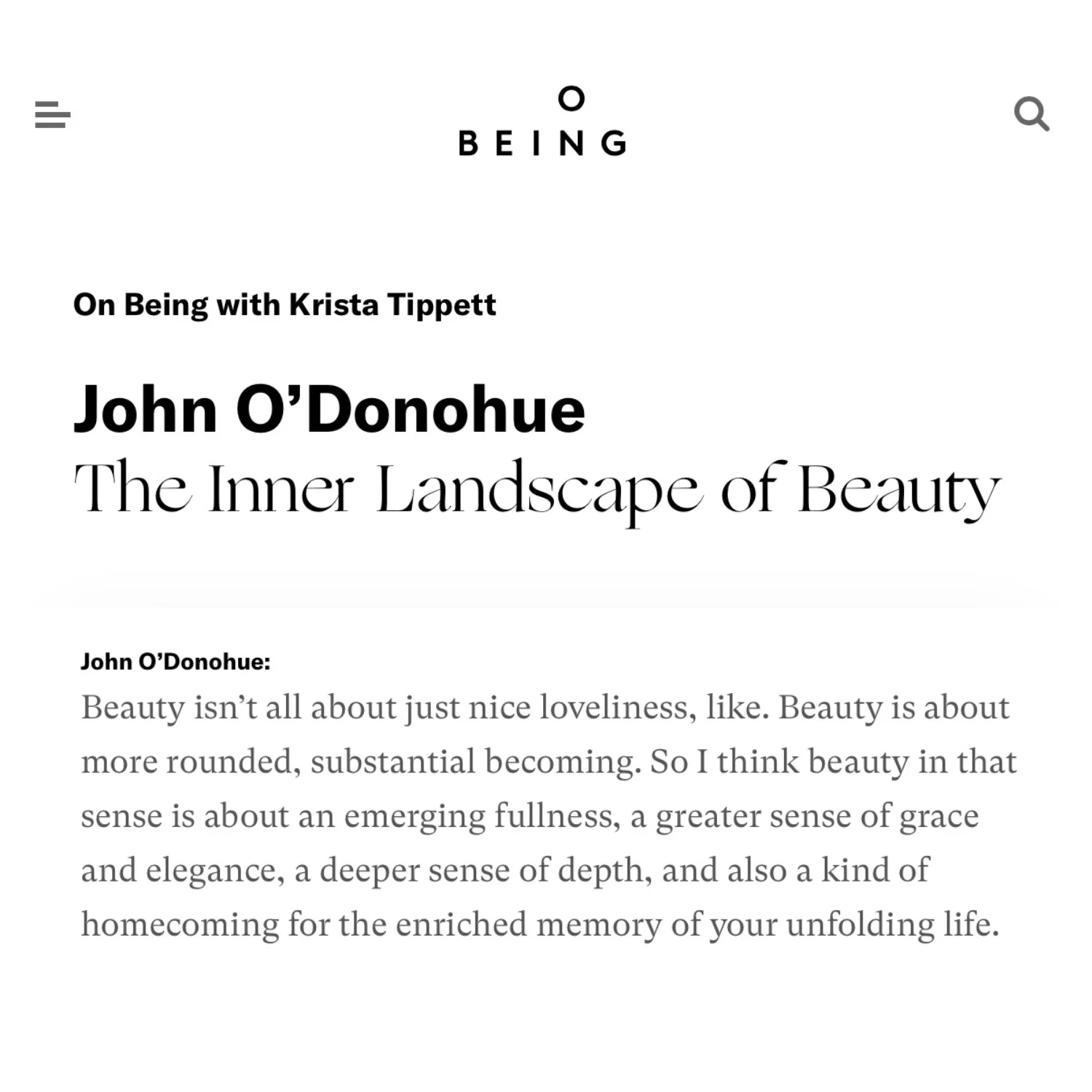
from the John O'Donohue episode in the On Being podcast
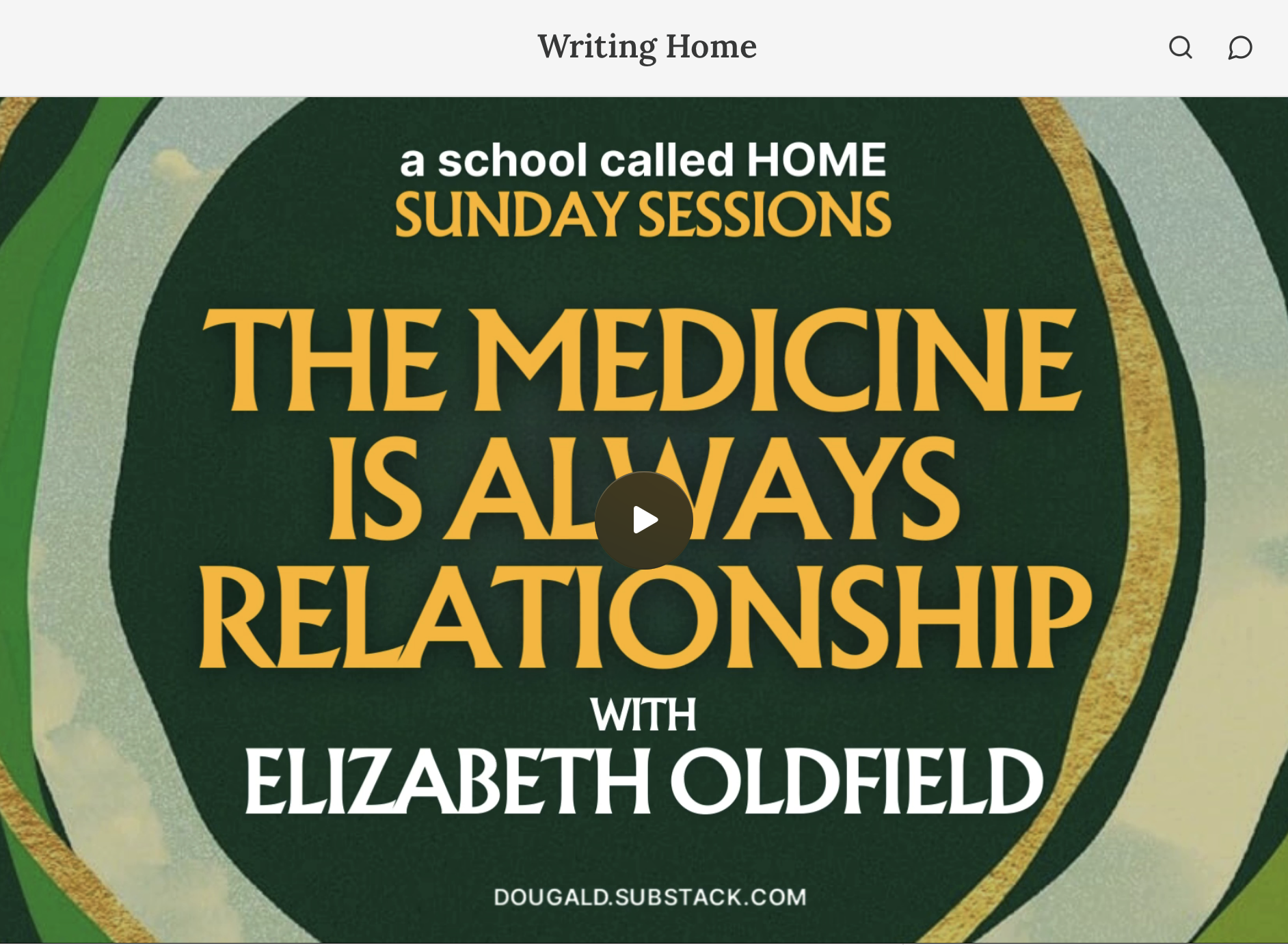
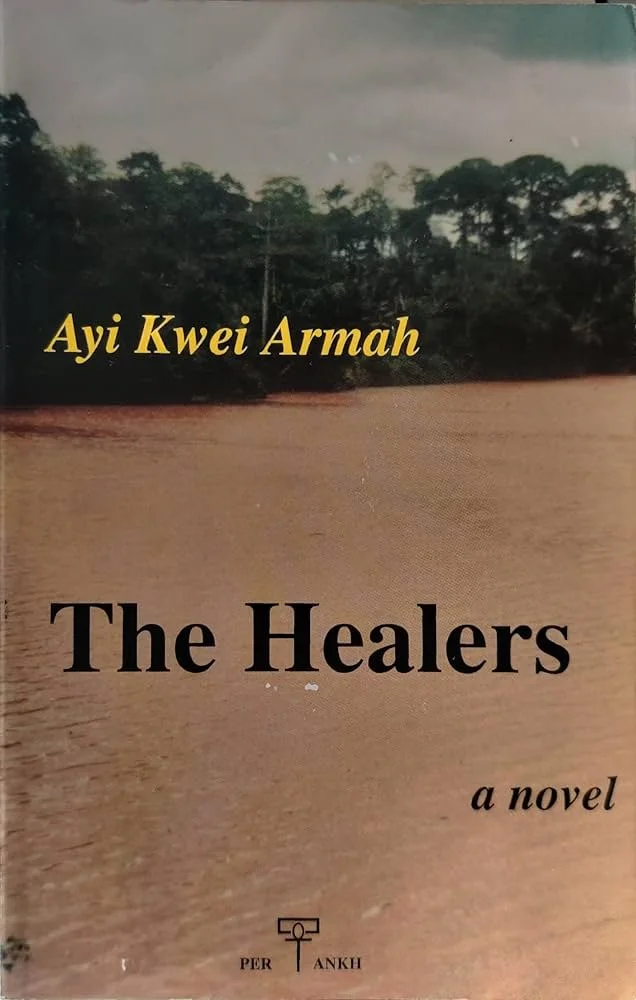
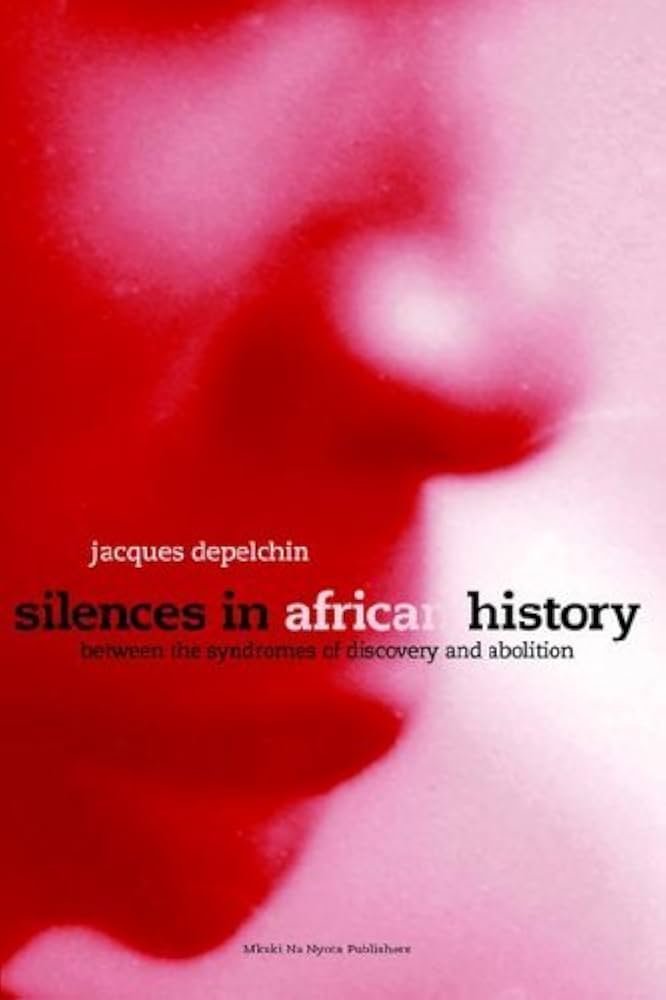
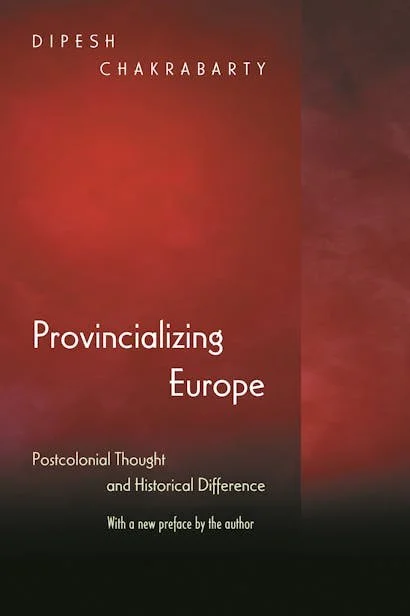
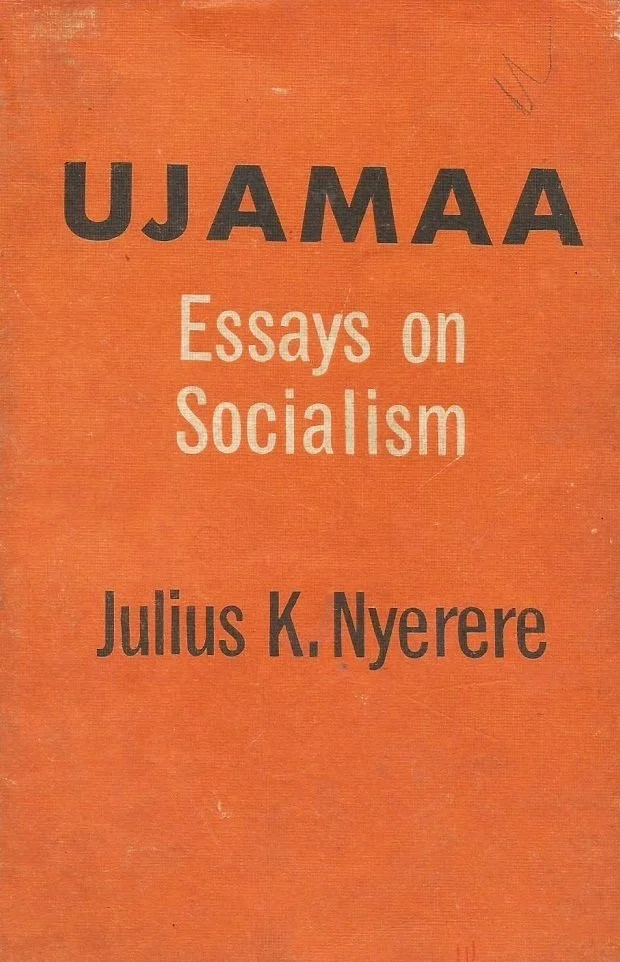
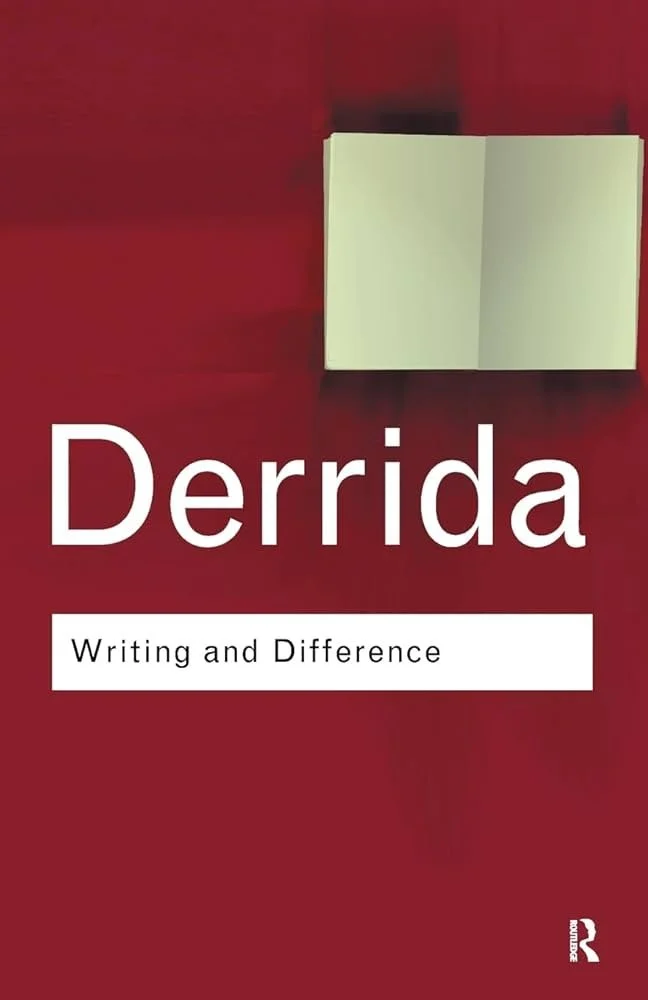
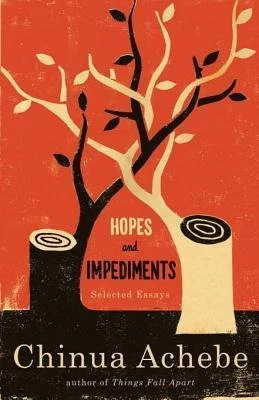
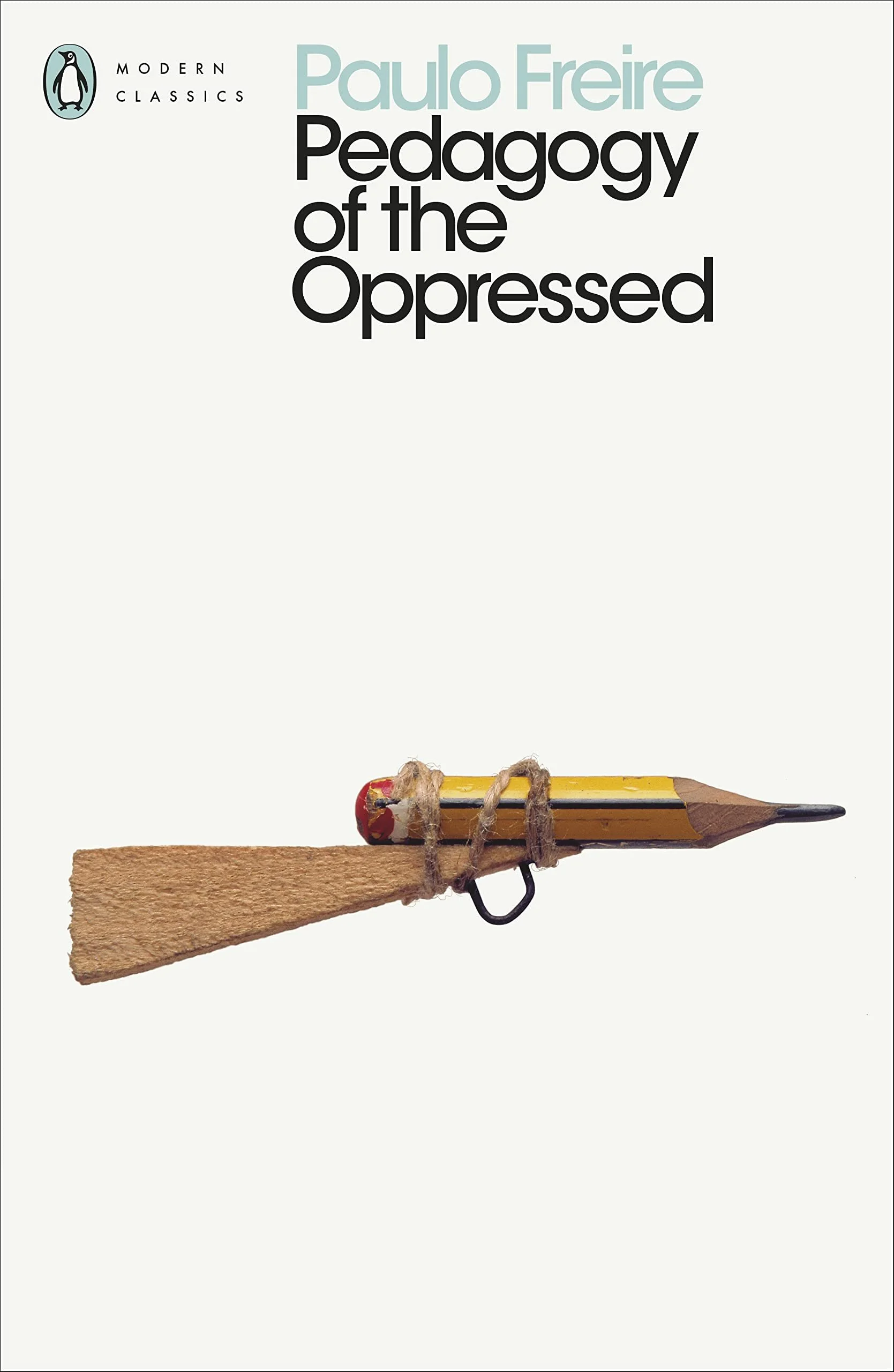
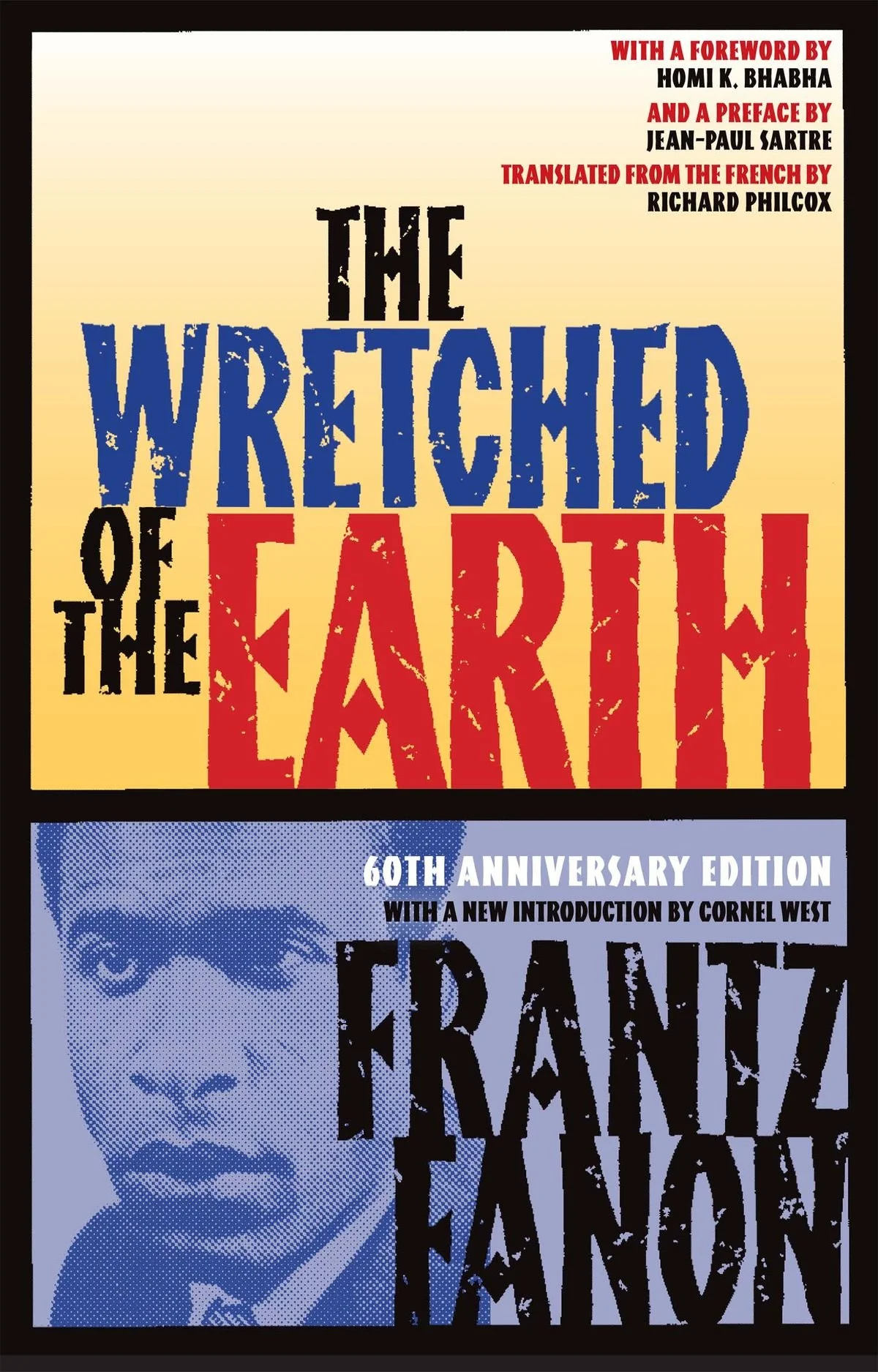
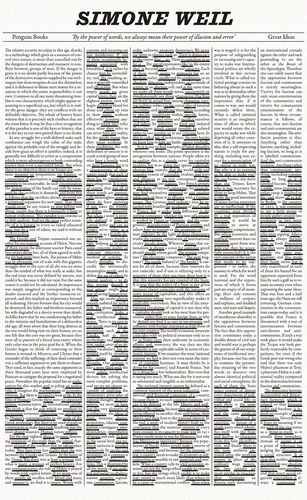
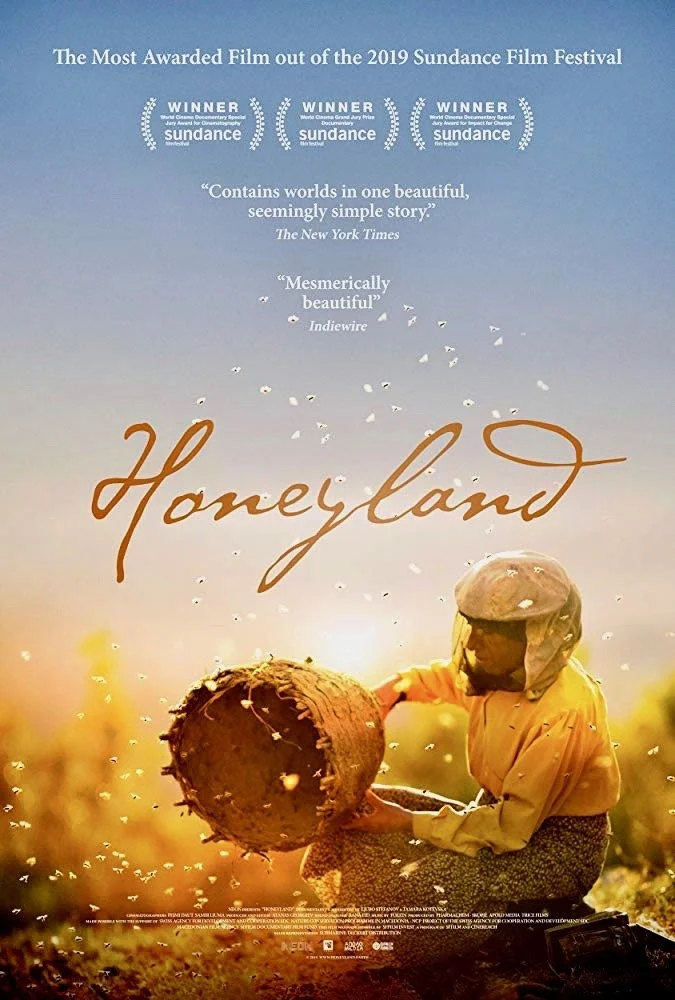
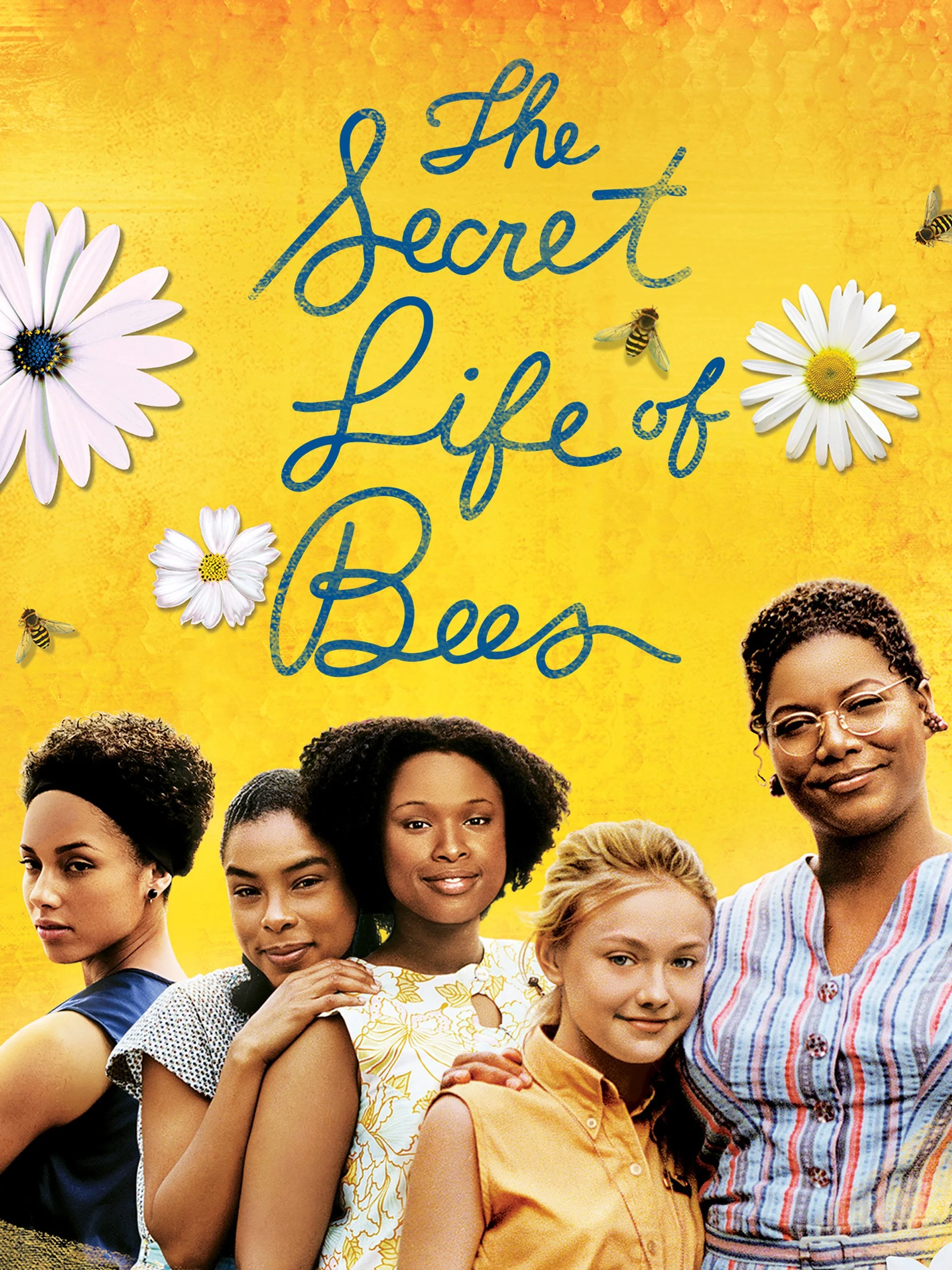
photo of a rose bush by Jamie East

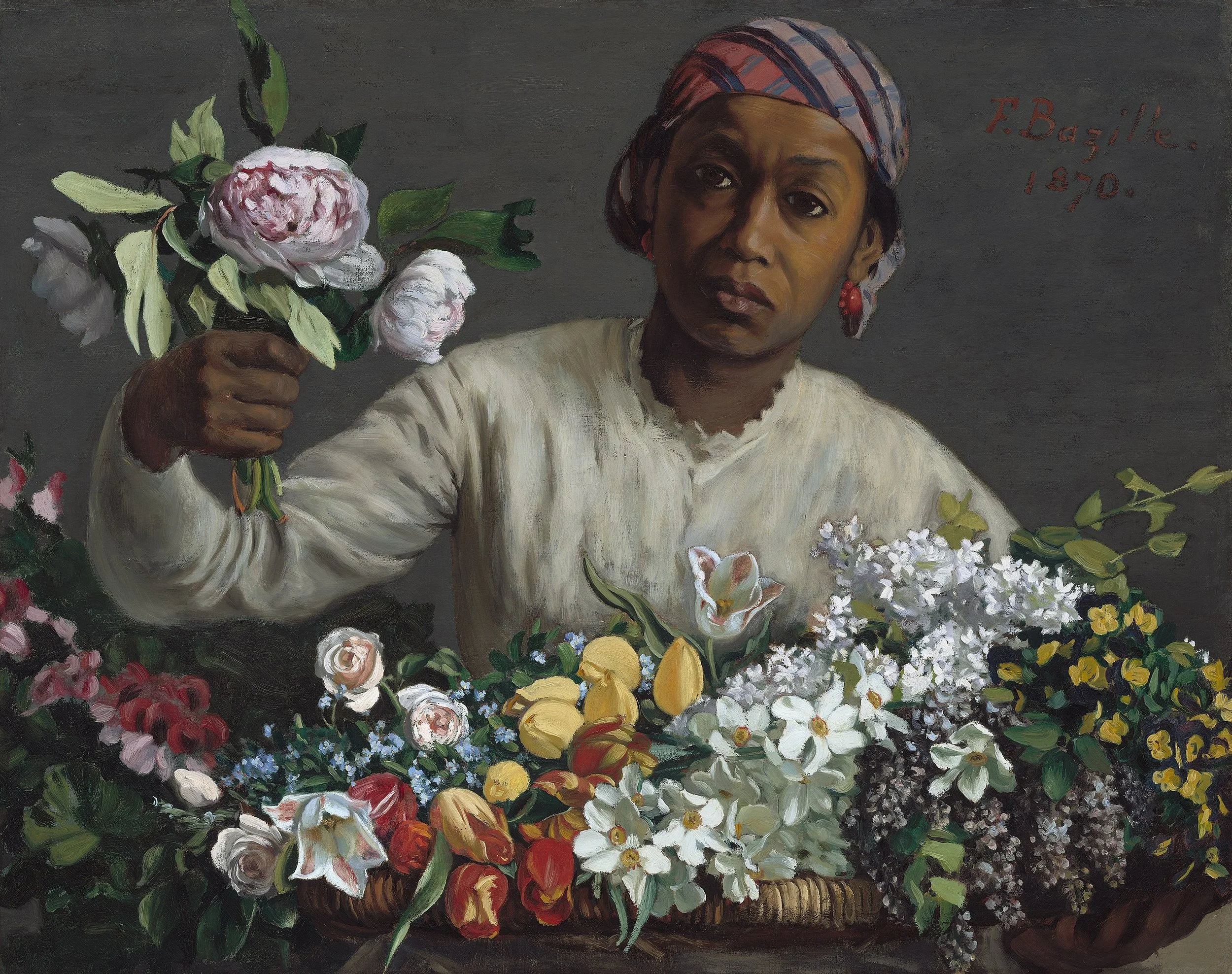
'Black Woman with Peonies' by Frédéric Bazille (1870)