Many of us* live in disconnection from ourselves, our communities, our histories, and the environment. This state of disconnection manifests in big and small ways, across public and private life, and is shaped by both historical forces and present-day economic and social pressures. One of the most significant manifestations of this disconnection is how we come to treat knowledge of our worlds as something alien to us, and that must be granted by an external authority in order to feel valid.
In Paulo Freire’s thinking (in Pedagogy of the Oppressed) about this matter, he argues that “any situation in which some individuals prevent others from engaging in the process of inquiry is one of violence. The means used are not important; to alienate human beings from their own decision-making is to change them into objects.” And I agree.
He went on to describe two opposing models of education: the traditional ‘banking model’ and the ‘problem-posing model’. In the former, learners are treated as containers into which knowledge is a thing deposited by authority figures, and in the latter, knowledge is a thing produced through dialogue and relationship: co-investigated, co-created, and lived.
I understand the banking model as a core expression of coloniality, a product not only of imperial conquest, but also of other forms of domination (interpersonal, institutional, and cultural) that condition us to distrust and denigrate our own ways of knowing and to defer to external validation.
Colonisation, once enacted, cannot be undone. Some ruptures remain. But we can make new justices. We can cultivate alternative ways of relating to ourselves, to each other, to history, and to the environment… what I think of as sweet medicines: life-affirming practices of knowing, drawn from the past, from where we are, and from elsewhere.
My work here in Studio Styles is to produce these sweet medicines for social healing, the process of increasing our capacity to say what is real for us through the gift of relationship and connection with ourselves, our communities, our lineage, and the environment. This work is part of a shared labour carried across time by those who have thought, built, and cared before me, and those who will continue after.
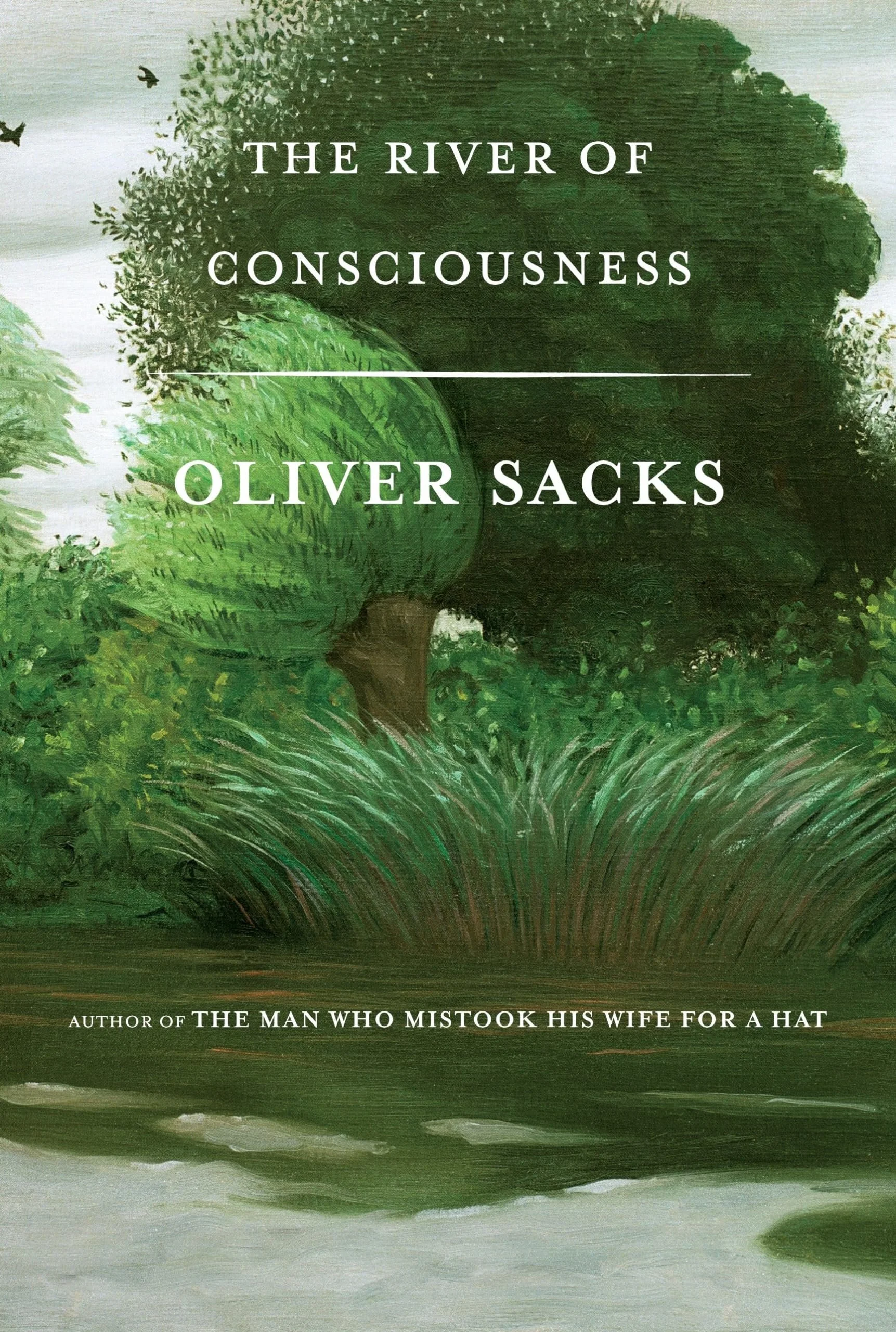
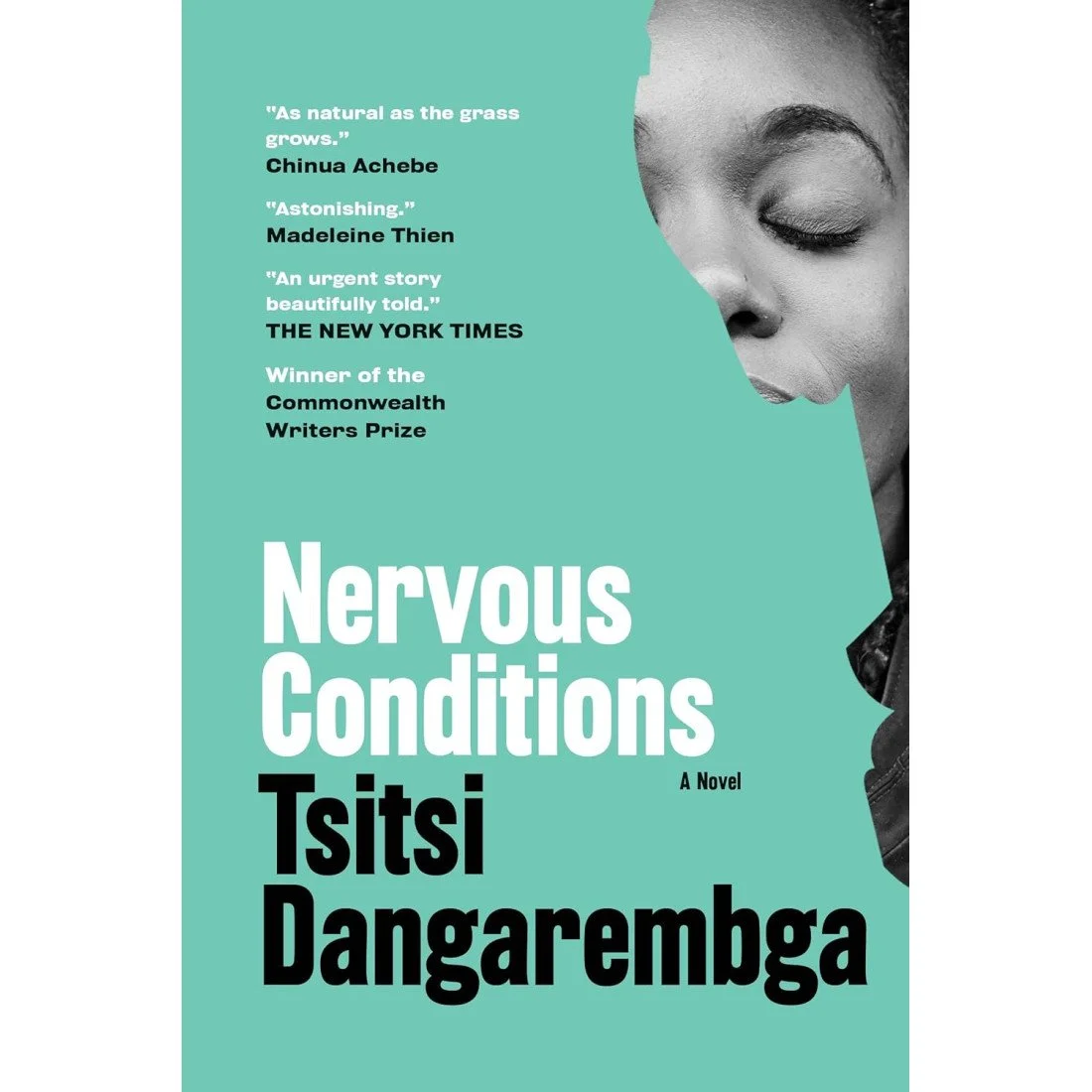
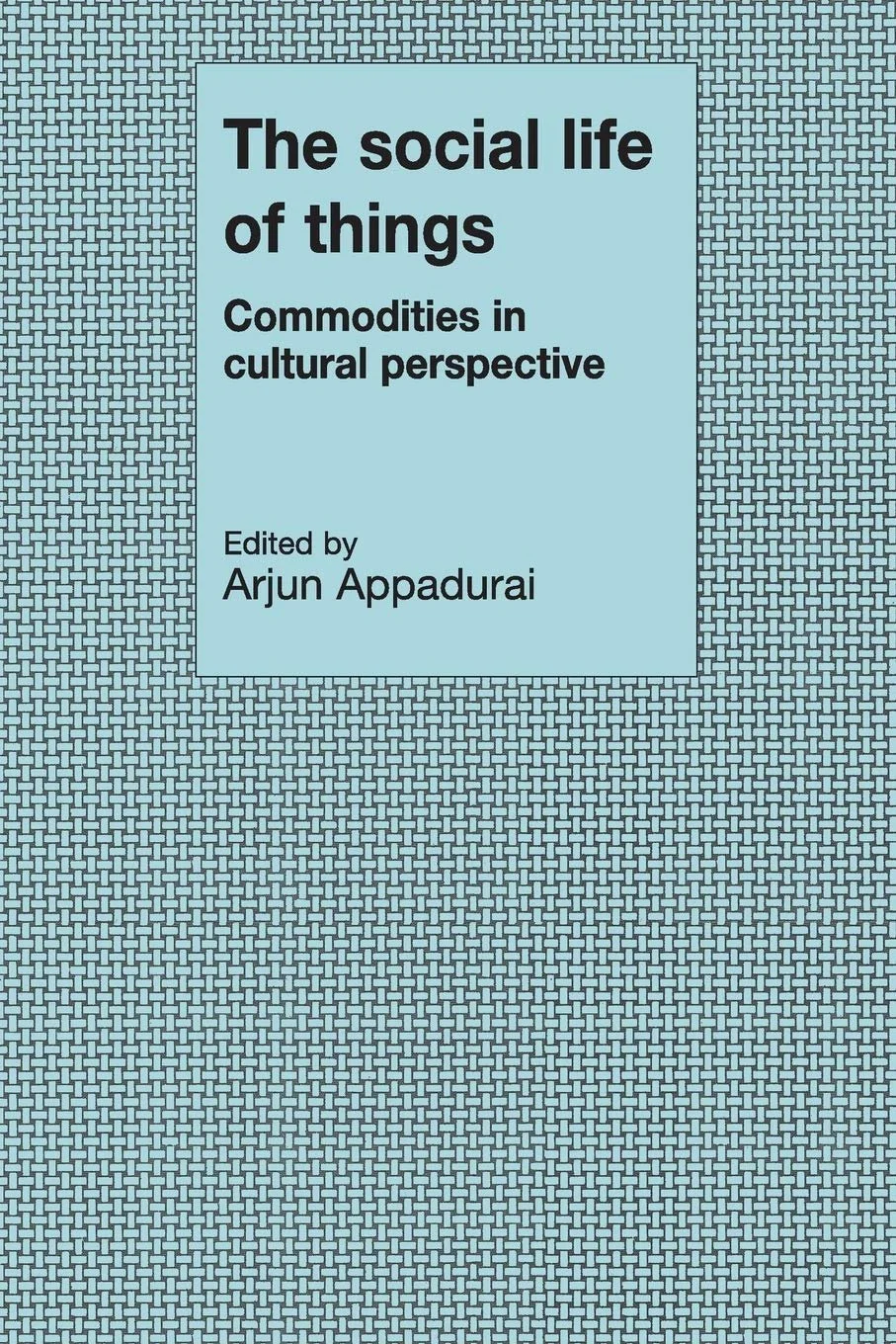
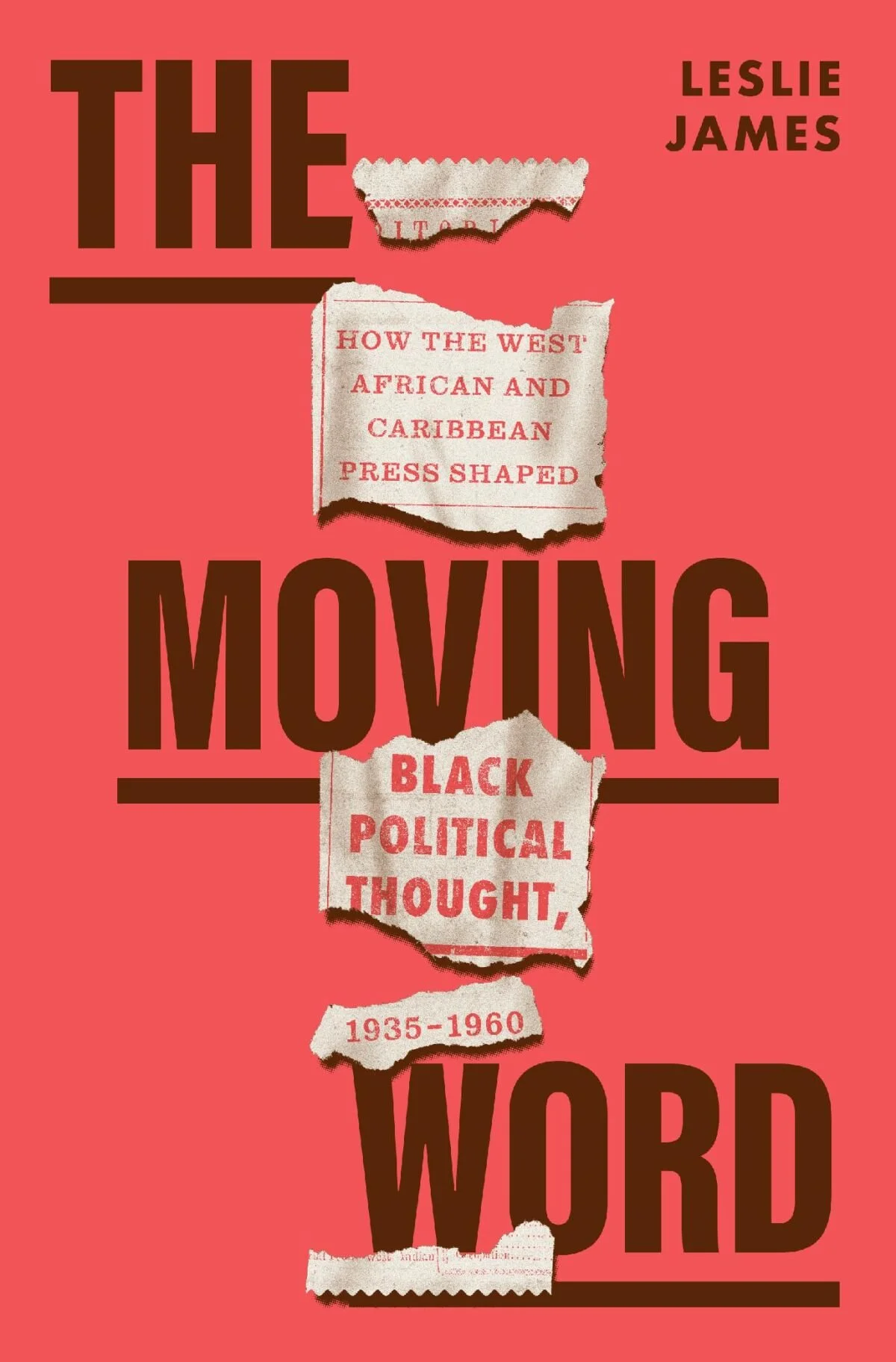
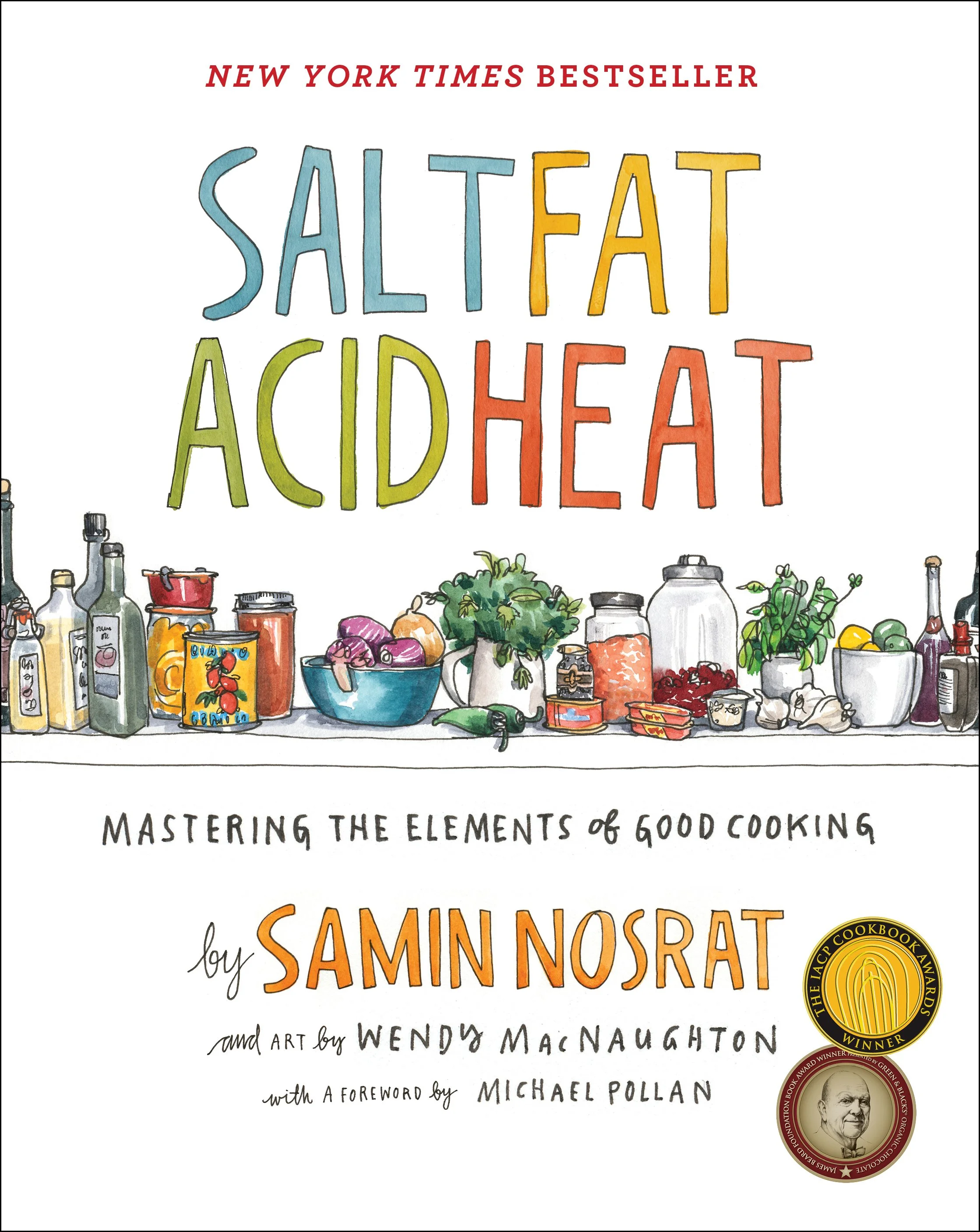
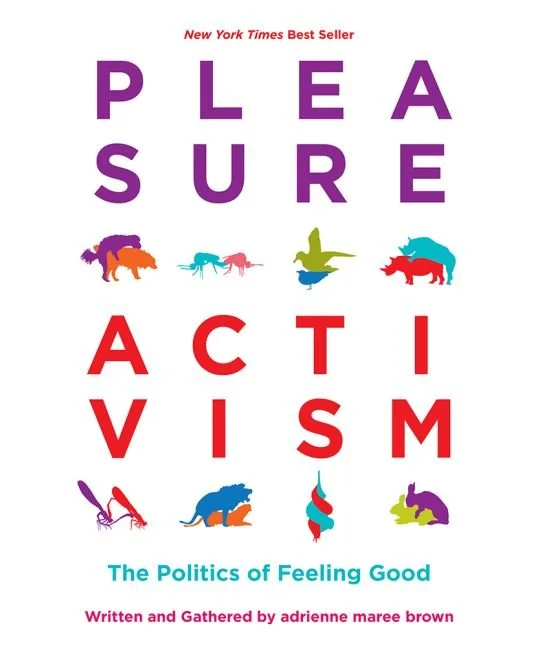
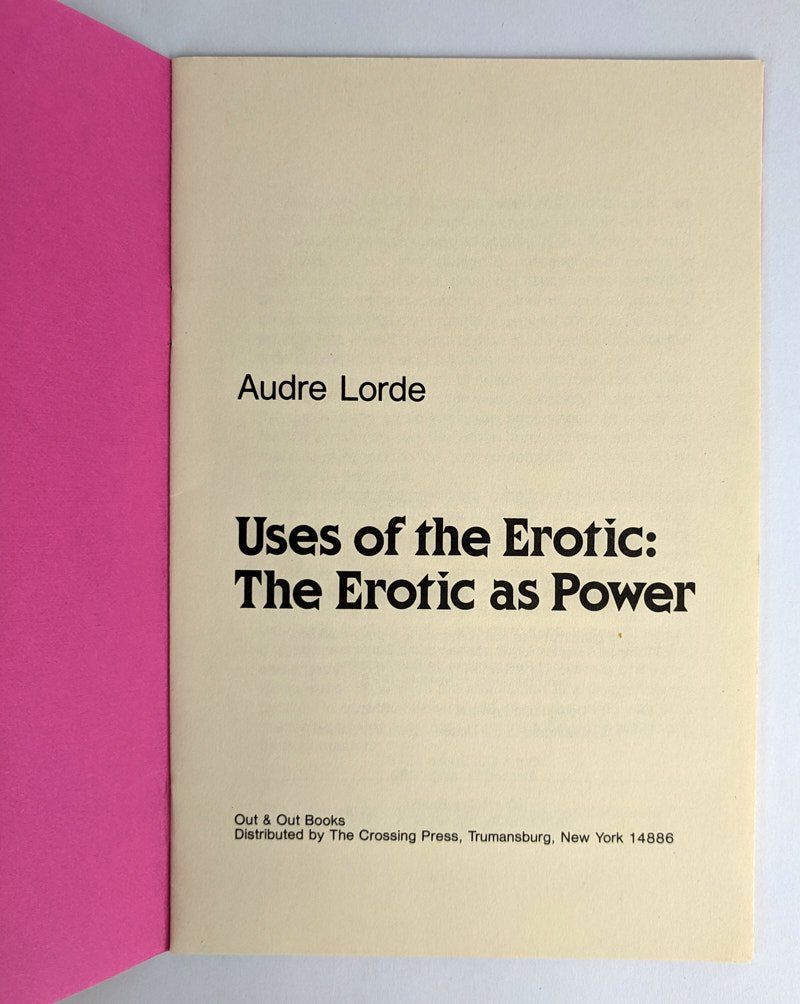
Some texts I’m in conversation with:
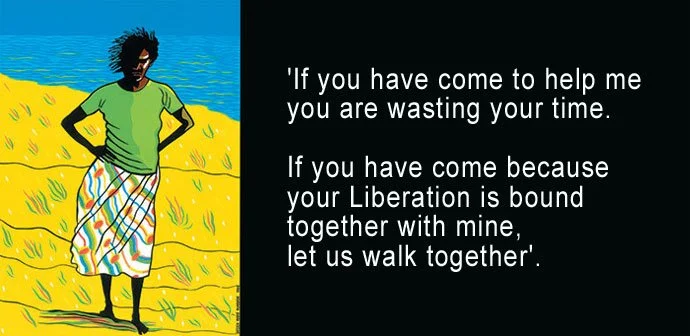
quote by an Aboriginal Rights group in Queensland, Australia, 1970s.
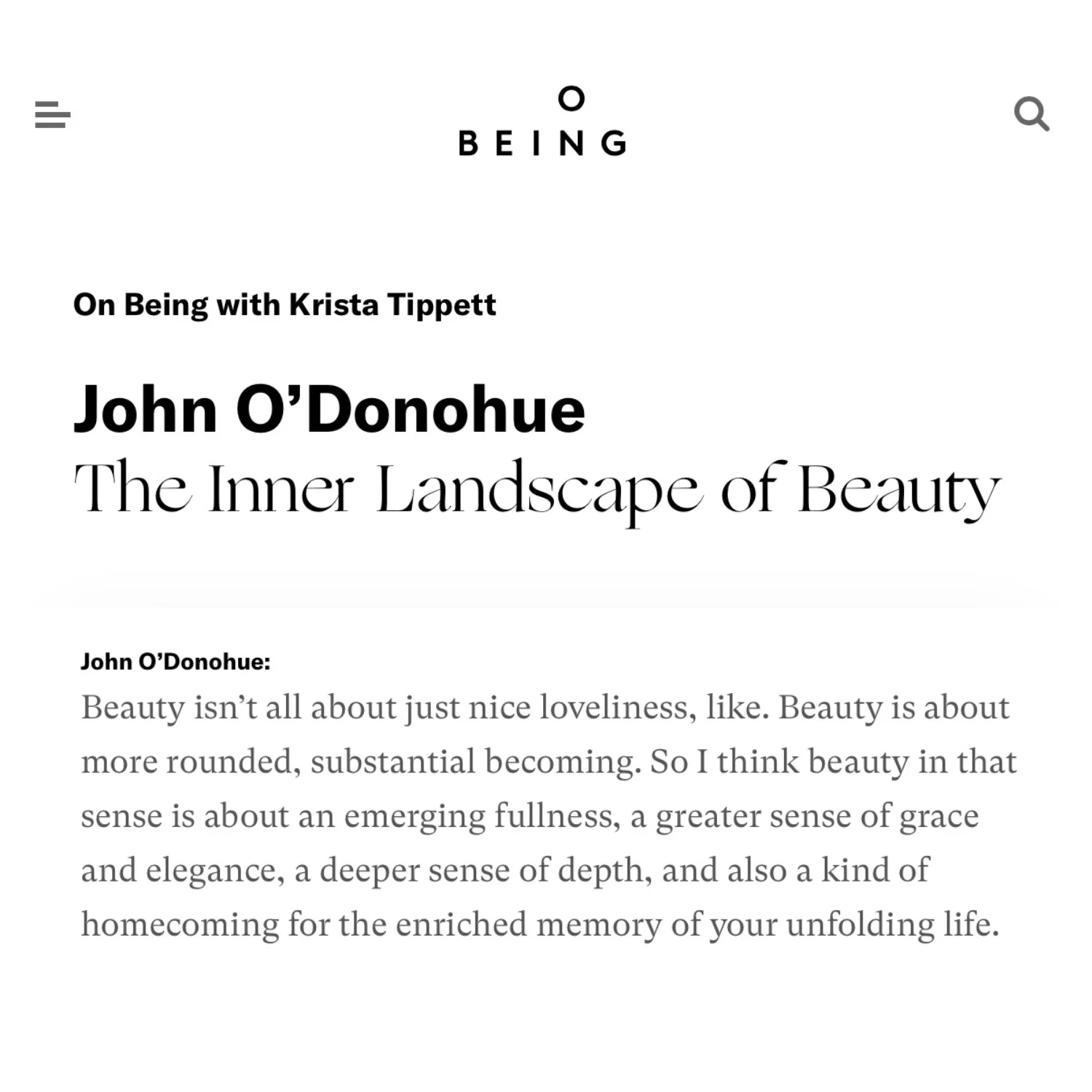
from the John O'Donohue episode in the On Being podcast
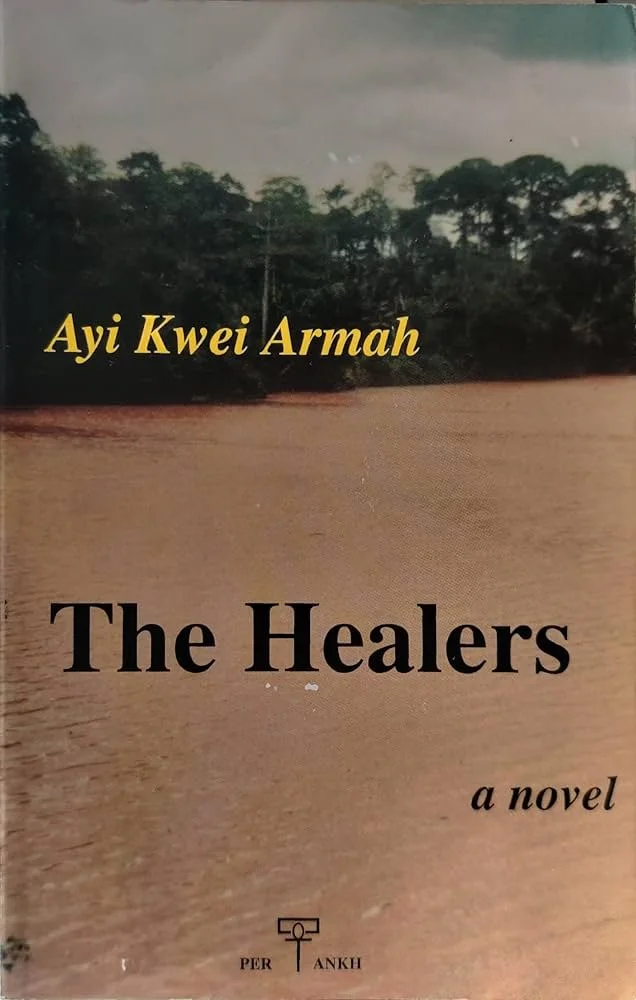
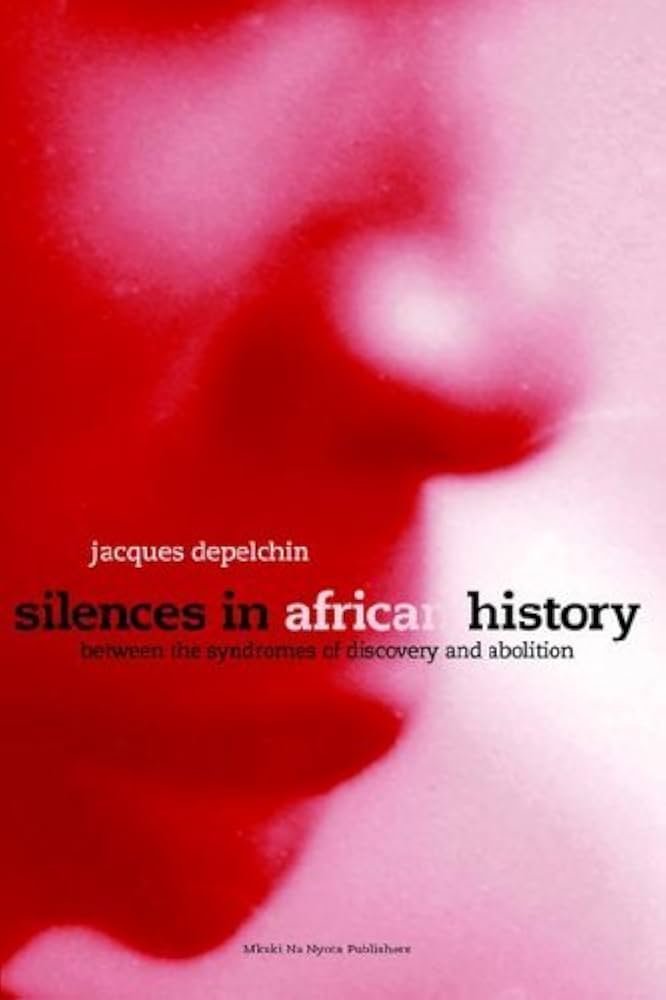
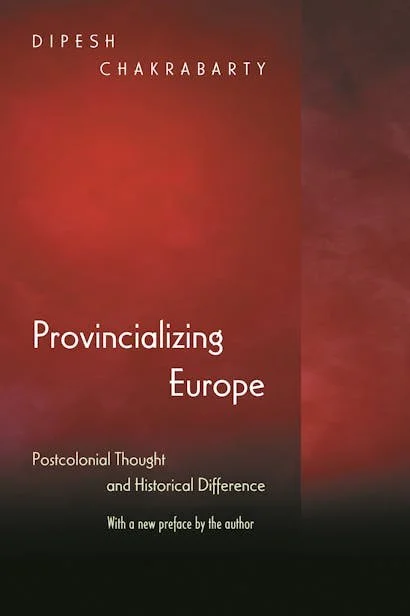
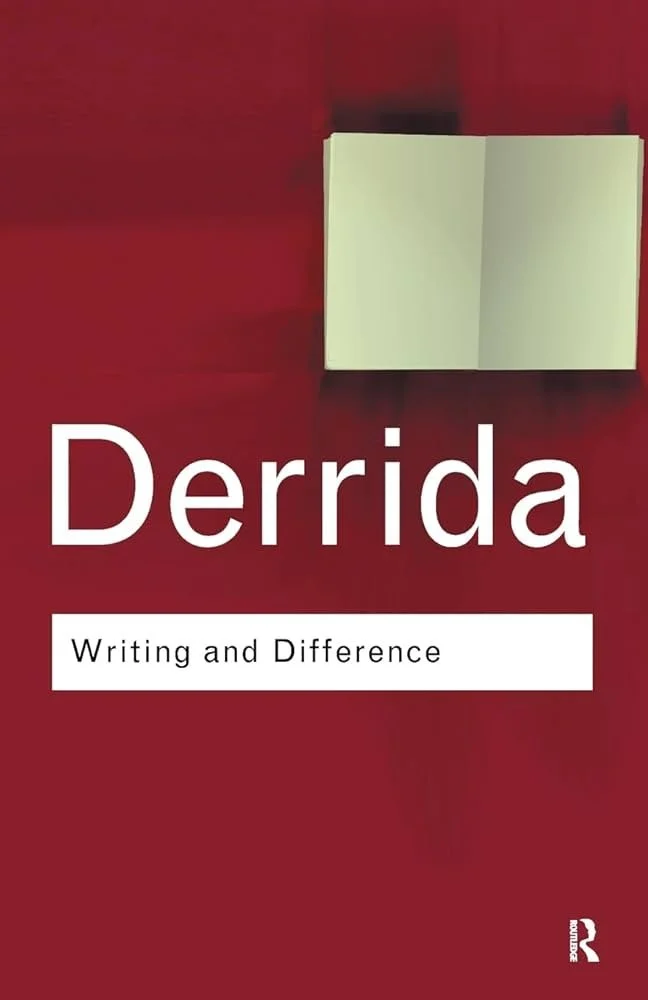
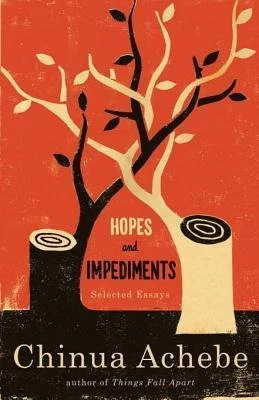
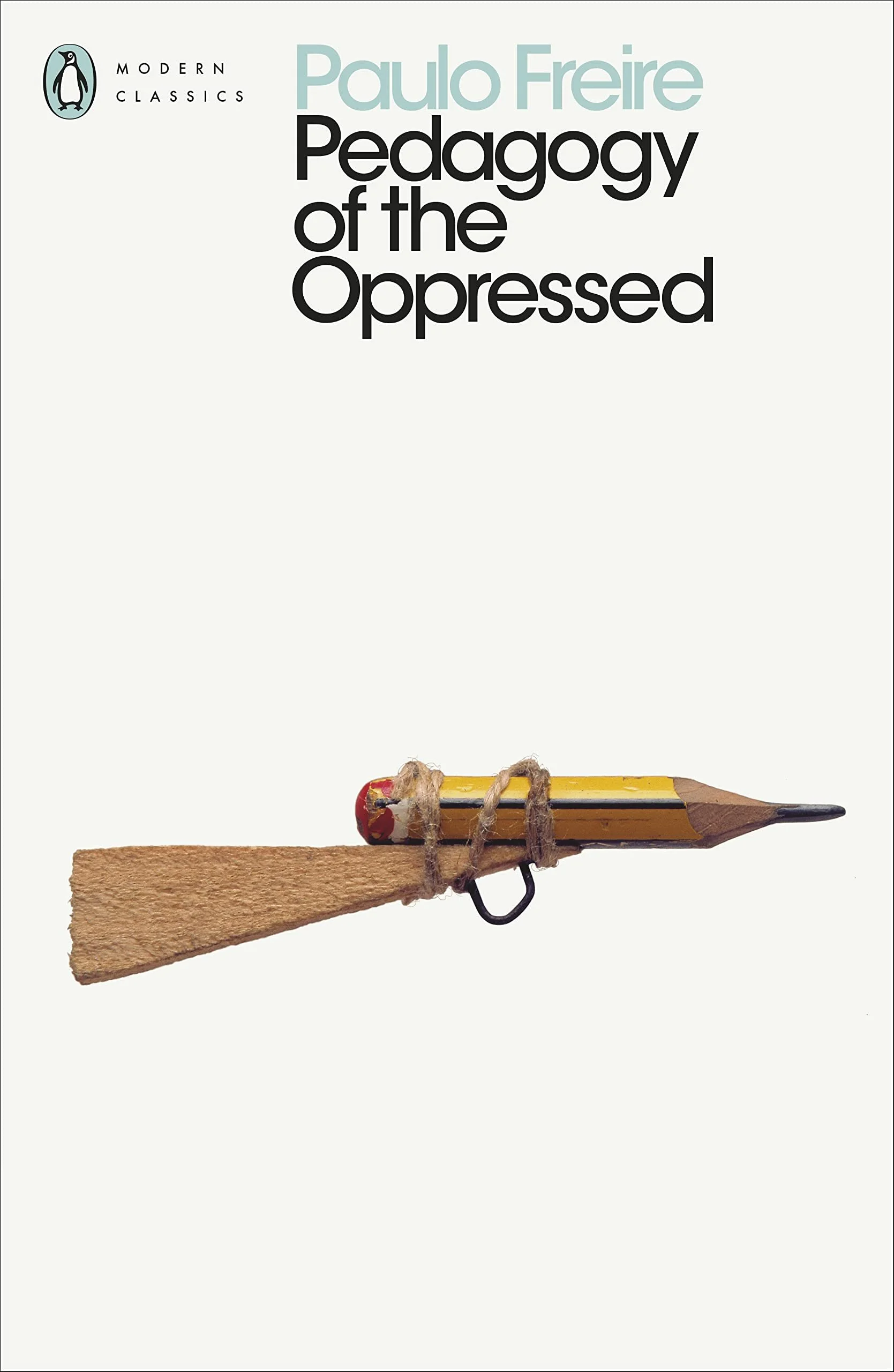
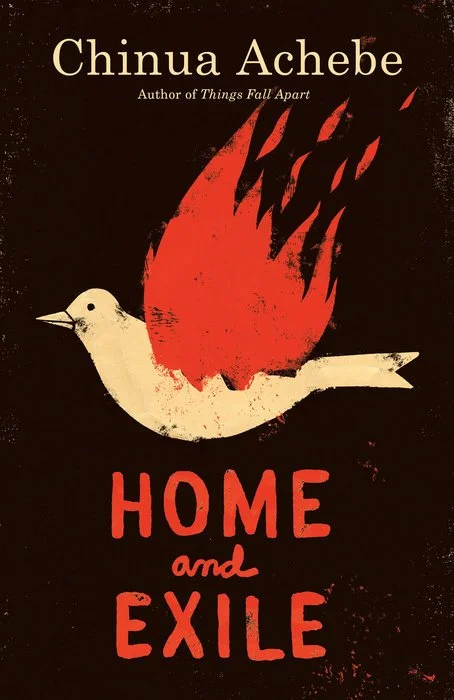
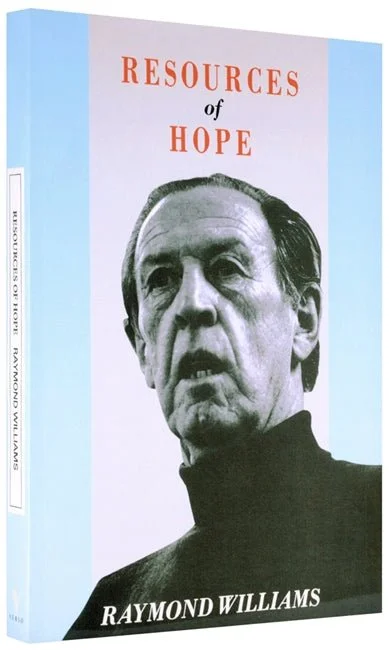
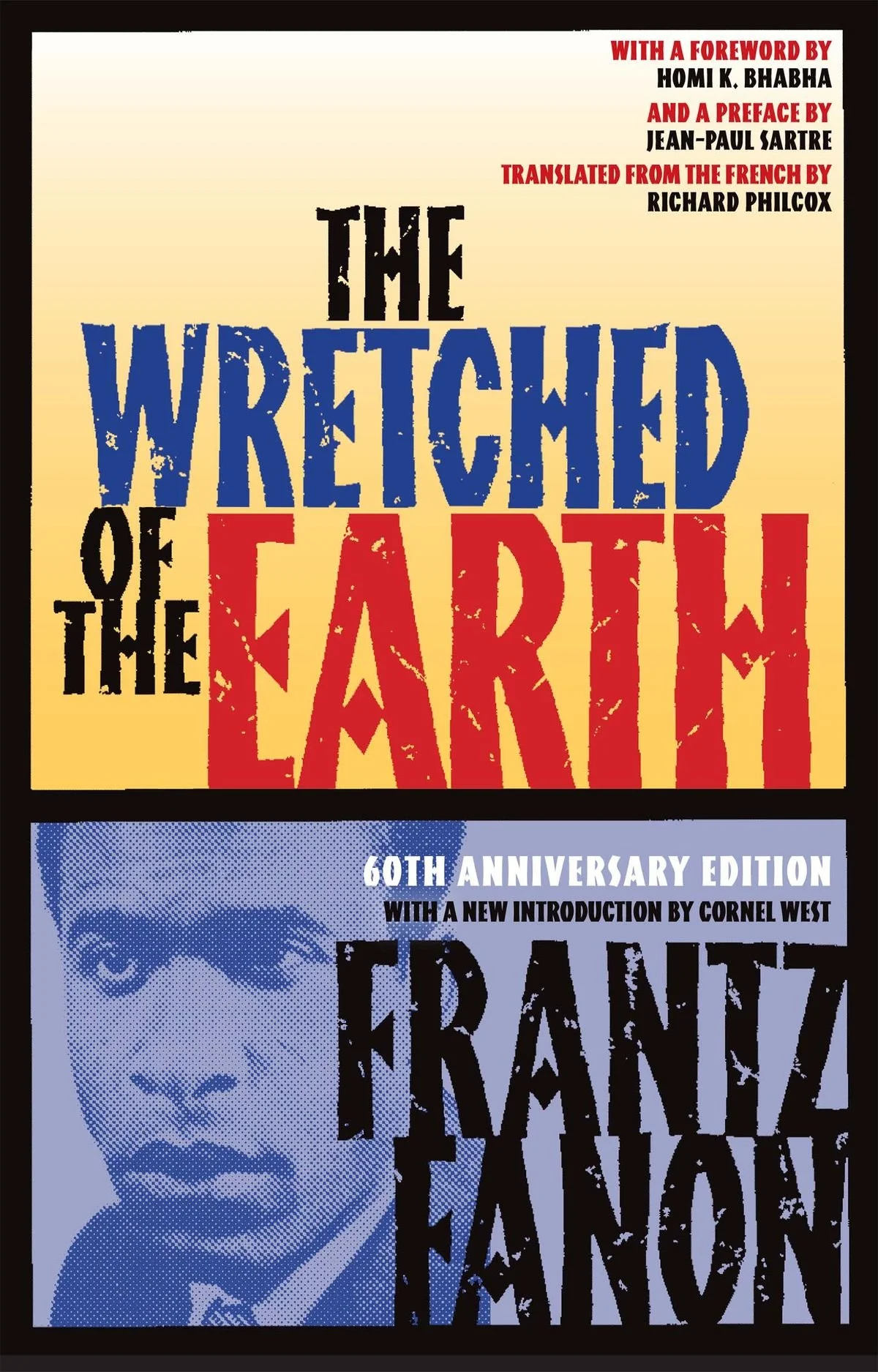

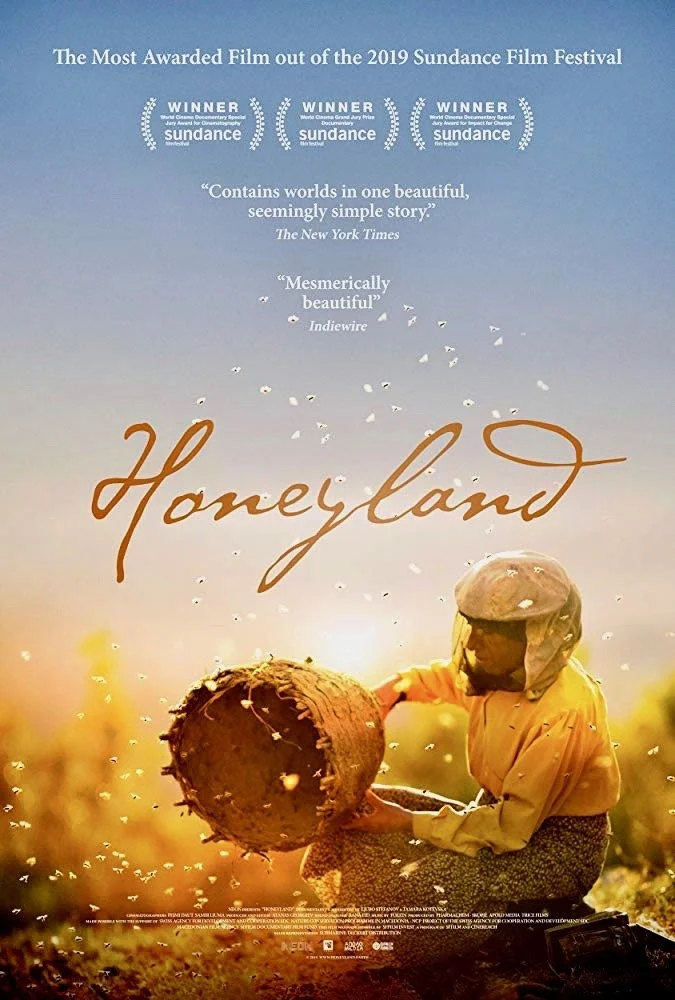
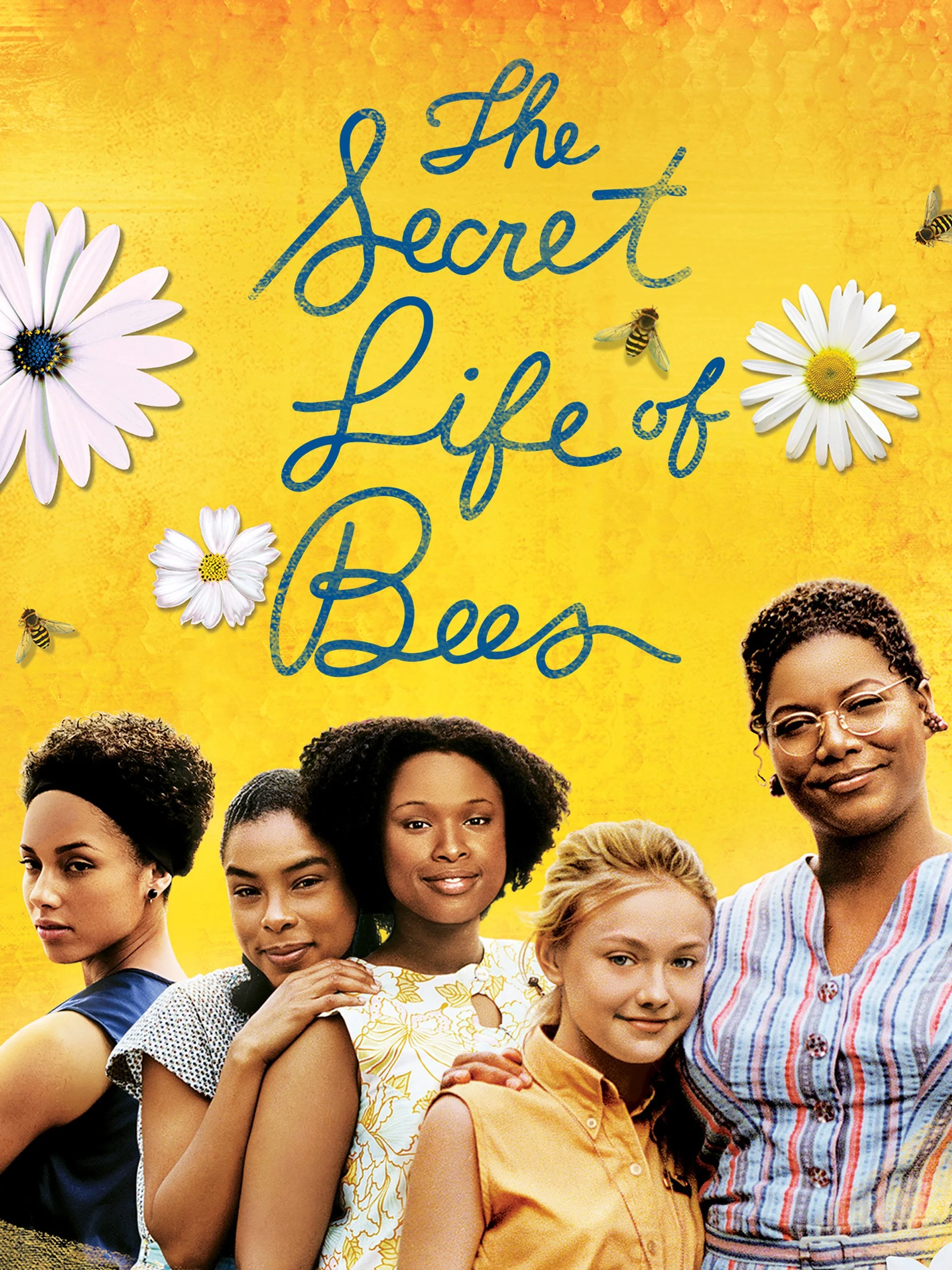
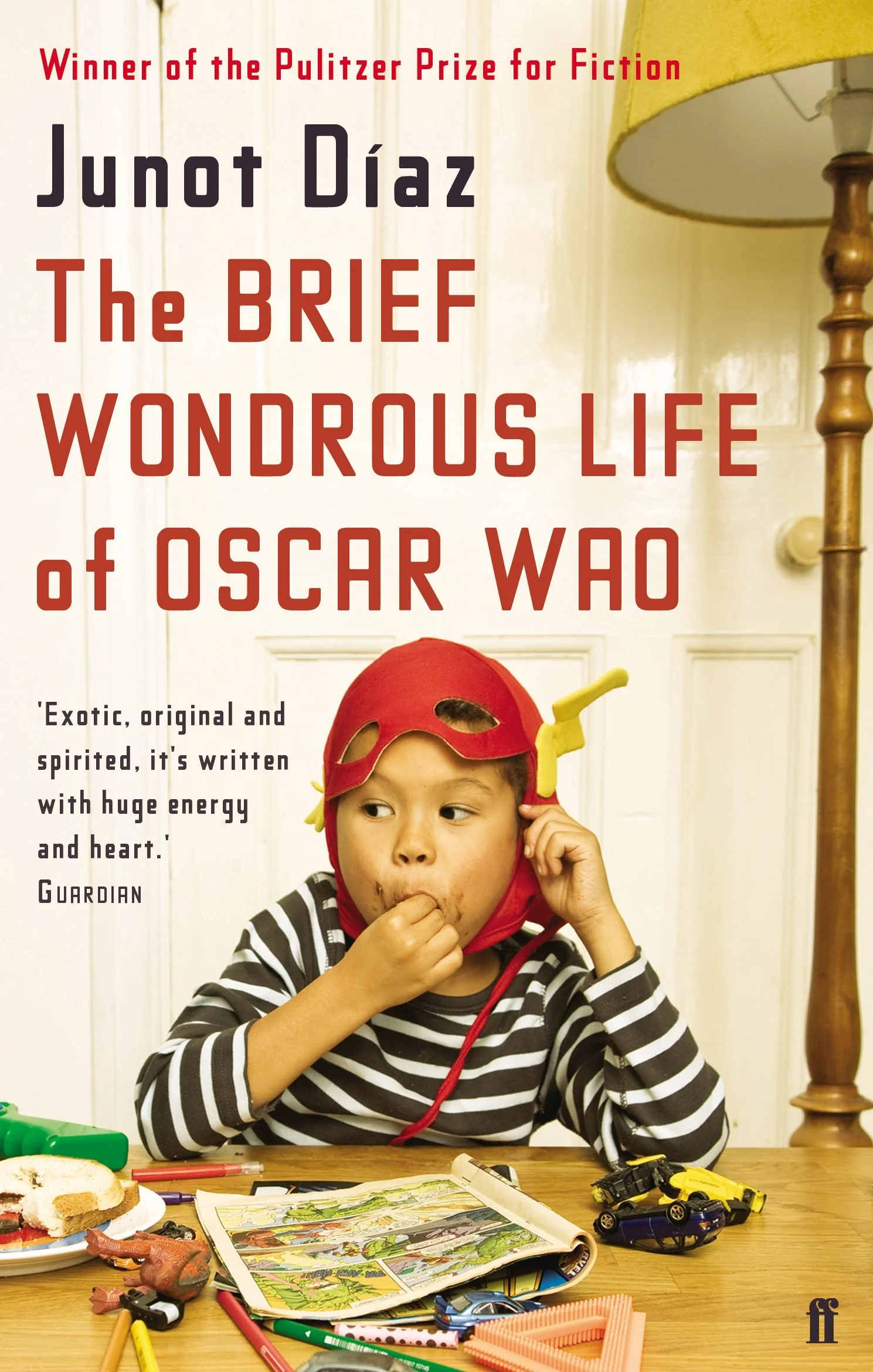
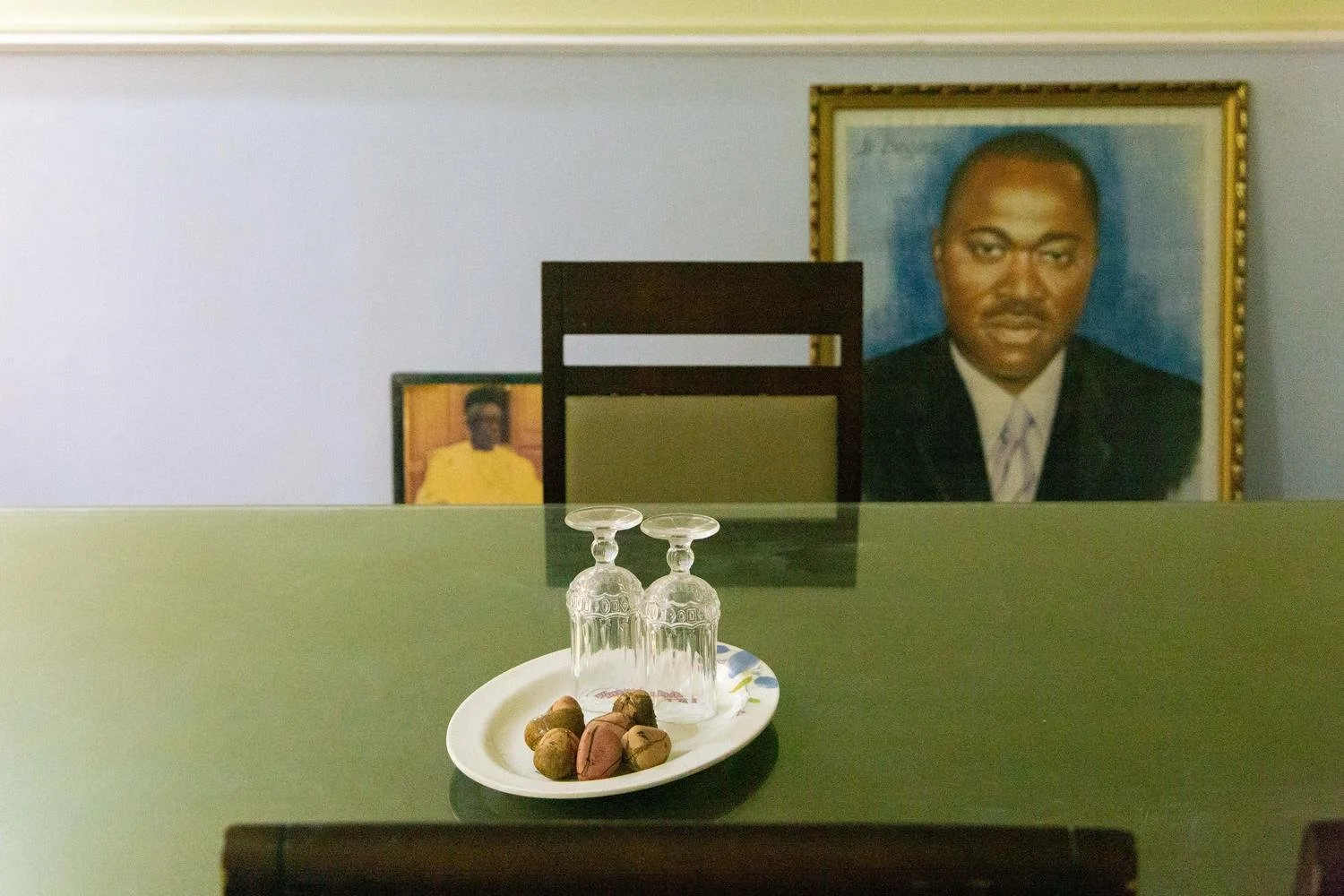
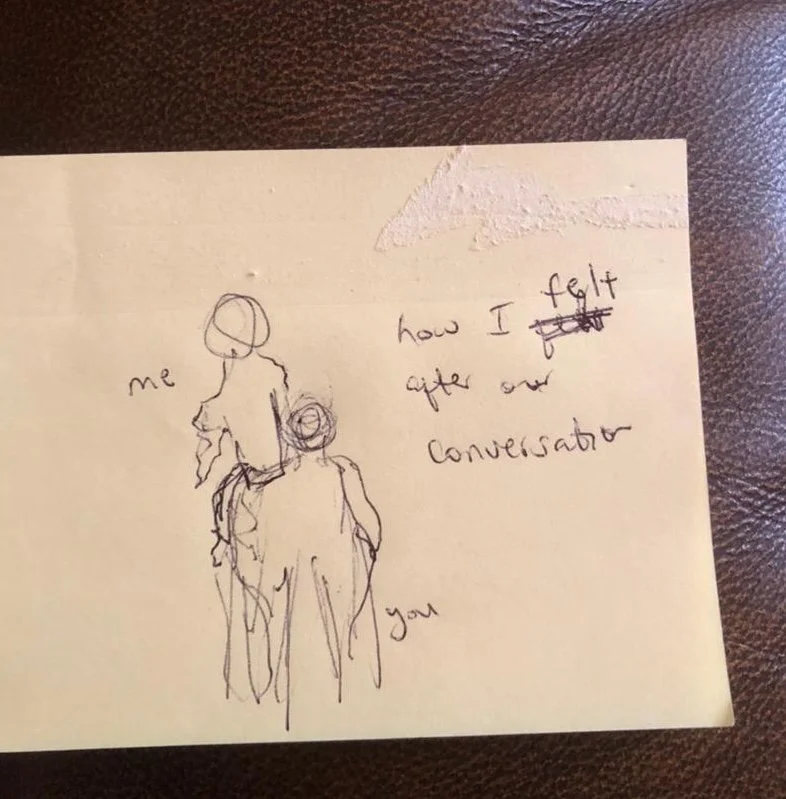
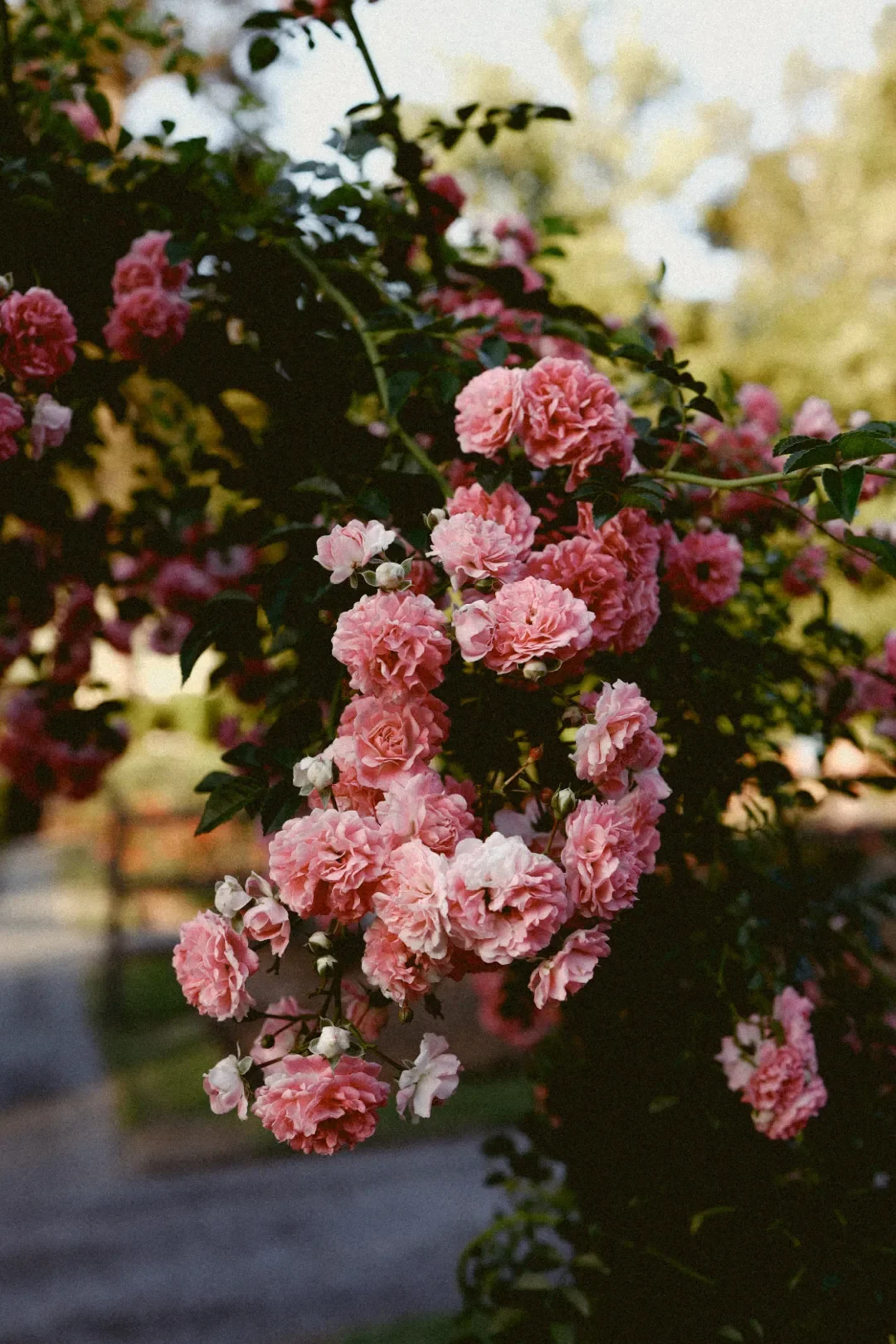
photo of a rose bush by Jamie East
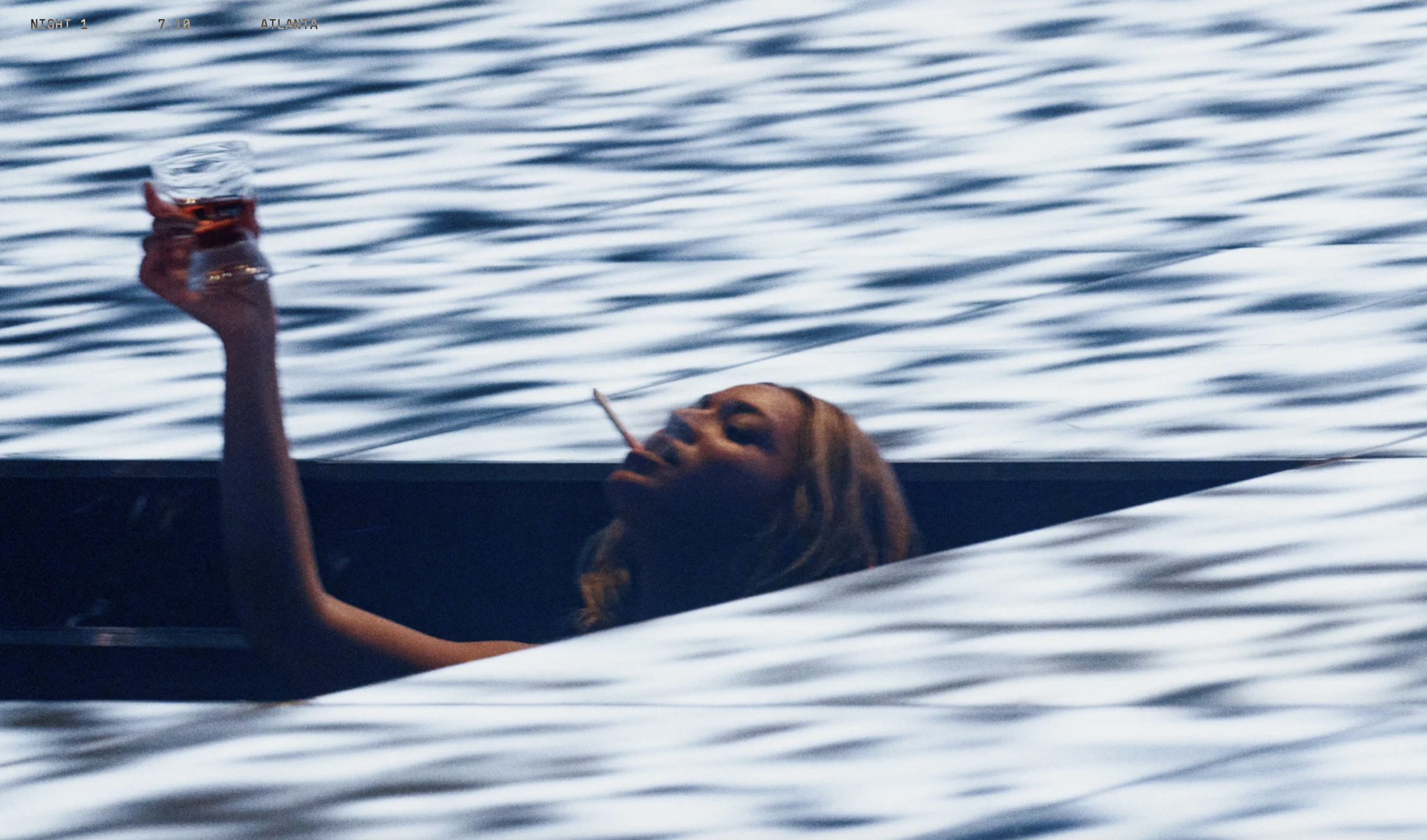

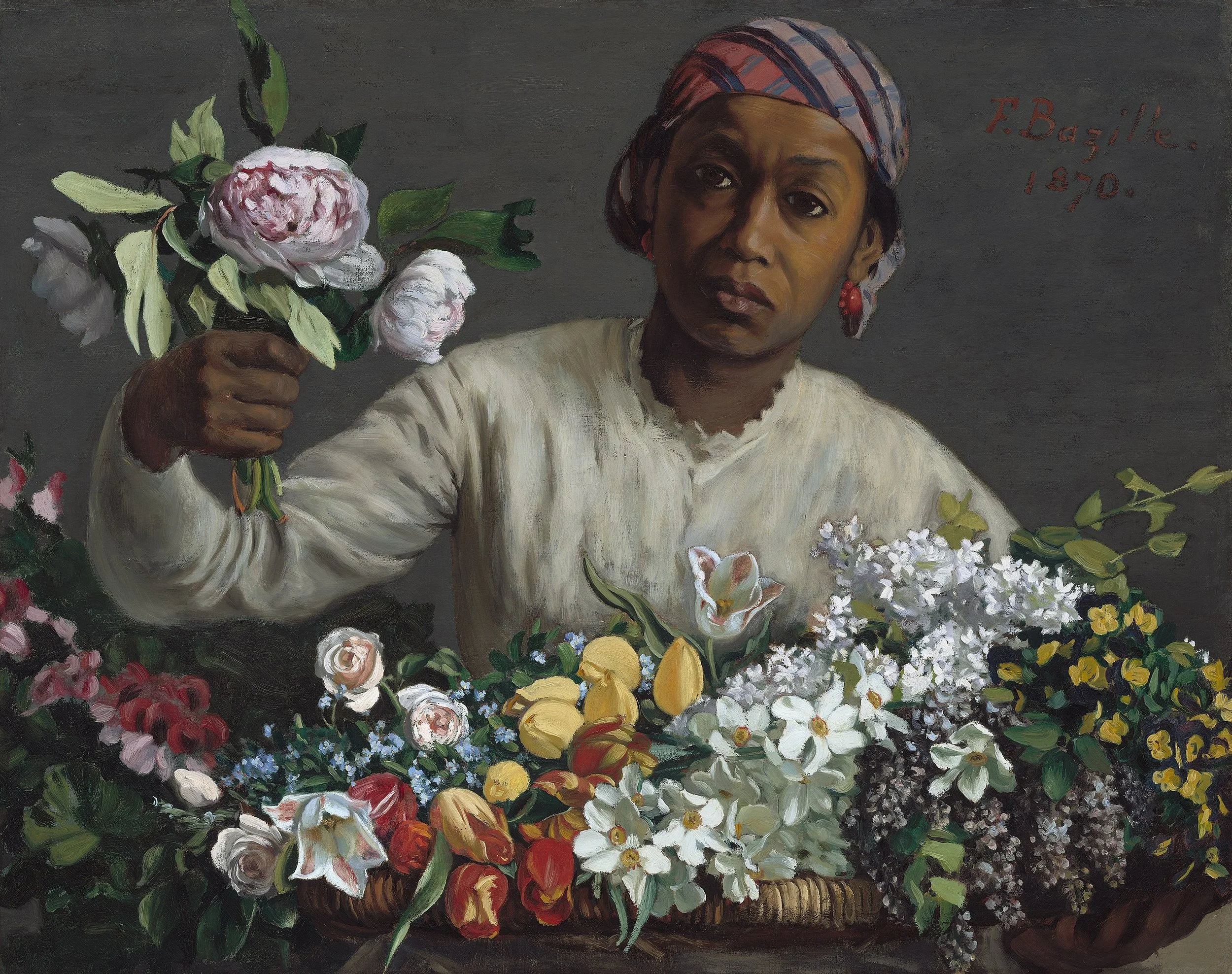
'Black Woman with Peonies' by Frédéric Bazille (1870)

* ‘Us’ here is societies shaped by colonial and postcolonial conditions, even though I recognise that the state of disconnection/fragmentation is not a universal or dominant experience for all in post-colonial societies. For many of ‘us’, violence, extraction, and precarity are more immediate than questions of knowledge. For some, clear hierarchies of knowledge are the only sources of stability we can recognise in our lives, and questioning them can feel destabilising rather than liberatory.
And then, there are communities among us with strong, continuous knowledge traditions where knowing remains relational by norm and necessity, and for whom my position is already a given. This includes, for example, those who work closely with land and self, such as farmers and herbalists, even some craft communities, and certain spiritual traditions where knowledge is felt as embodied and/or ancestral, and so they don’t suffer this disconnection/fragmentation as such.
☀︎
I am most interested in those of ‘us’ whose ways of knowing have been shaped/constrained by coloniality, and who are seeking more life-affirming and attuned ways of moving through the world, whether because we have been harmed by these systems, or because we sense their limits even as we might benefit from them.
What is at stake is not only individual coherence, but the kinds of worlds we are able to build. When people are estranged from their own ways of knowing, they are more easily governed through manipulation, more easily extracted from, and more likely to reproduce systems misaligned with life. Recovering and cultivating other ways of knowing is part of making more sustainable, just, and liveable futures possible.