005
One day last year, my plug brought a delivery for me, only to find there was something wrong in my order because he hadn’t asked a question and I hadn’t specified that because the last time it came with my order without me asking. I watched him see the rage in his own eyes, as though he had just walked past a mirror and caught a glimpse of the rage that could have taken over him. But he walked away from the reflection almost as quickly as it appeared. He looked at me for just a little more than a second and said “In this life, it’s important to hold your anger”, or something like that. And we both laughed. As we were laughing, he said, “This business has taught me to decline fight, you don’t know when it’s something bigger than you.”
004
not trying to get by, trying to get free
003
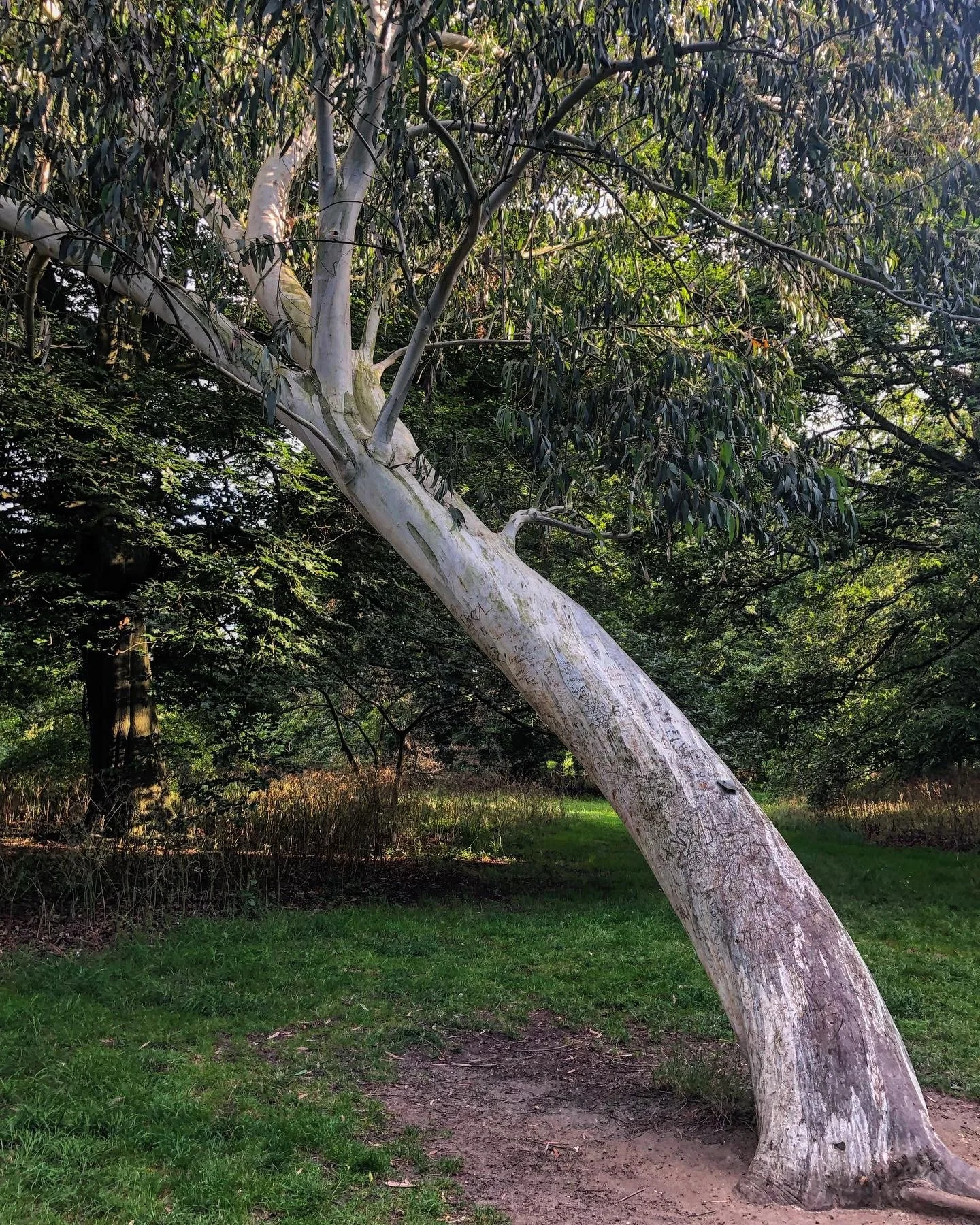
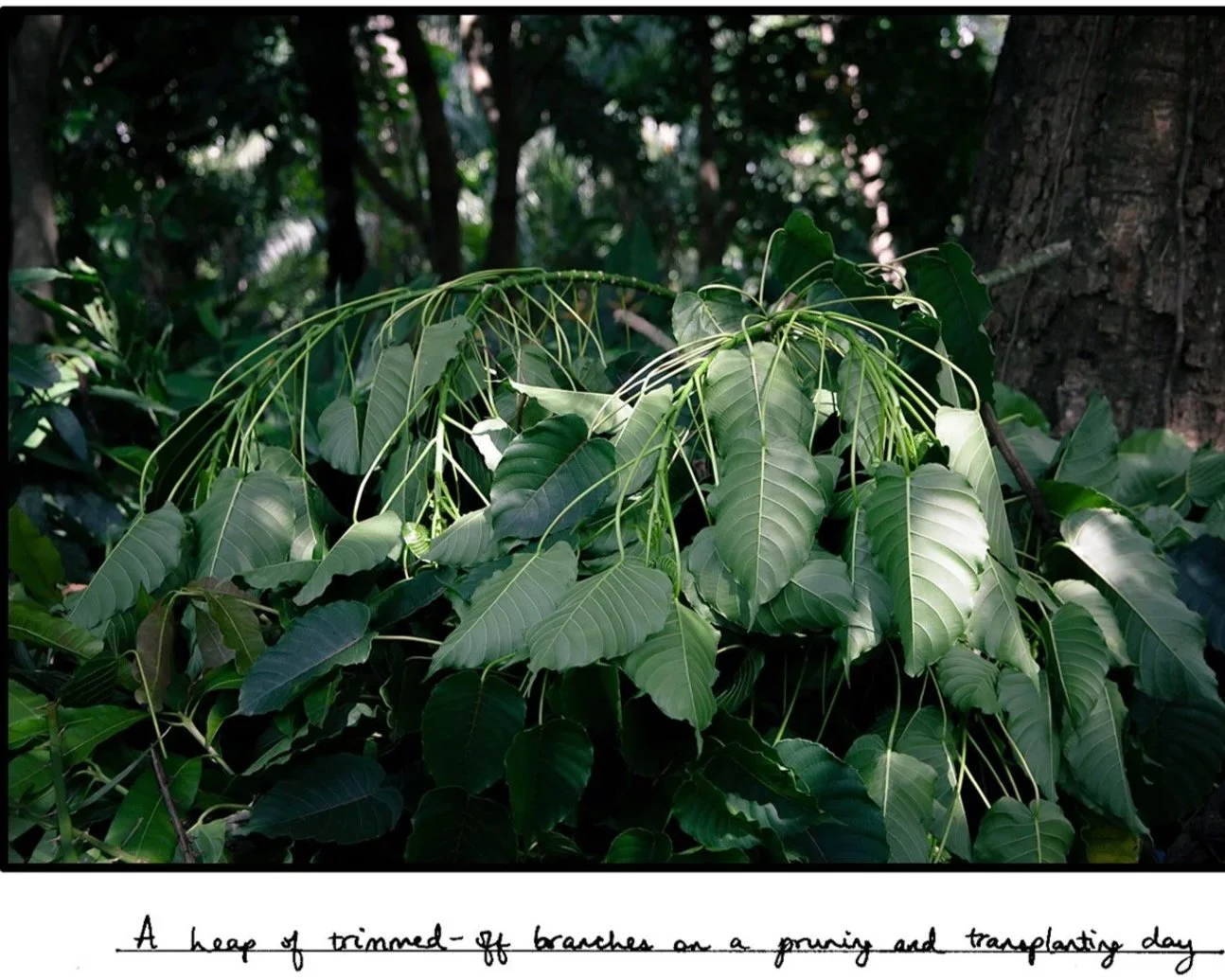
There are endless beautiful things, all of them having their good time, most of them separate from me. I can know of very many animals in the air, land, and sea, but I cannot know them all, and only a sliver of them I will ever meet.
I am learning, with many failures in tow, how to make a body and life spacious and fenced enough for the voracious appetite in it.

002: Why the name ‘Studio Styles’?
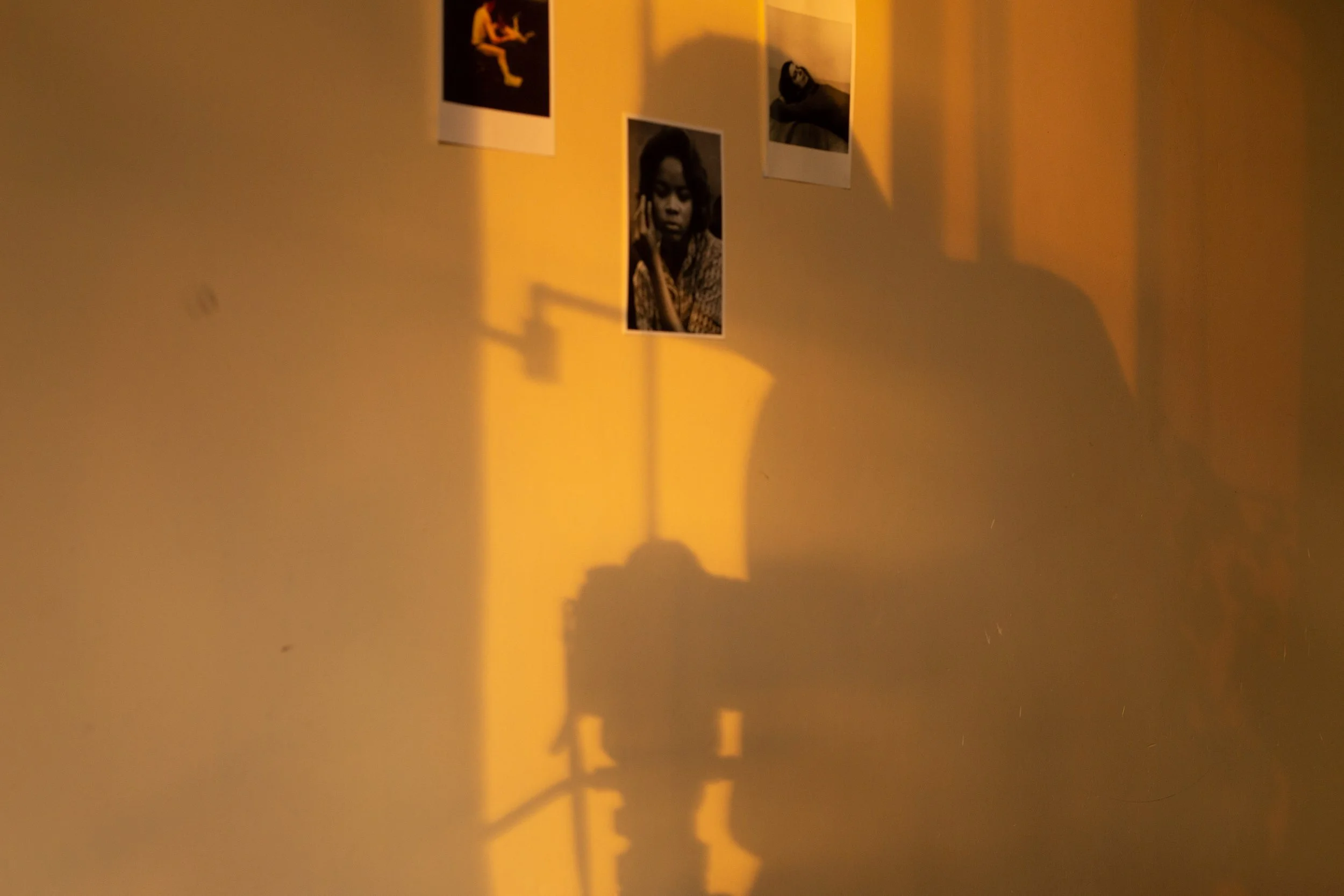
The gist of the play is that Sizwe Bansi comes to Styles’s studio to get a passport photograph. Sizwe had come to town looking for work, but his search was unsuccessful. Right before he was due to leave town, he stumbled upon a dead man’s body and saw the man’s work permit, the very thing that Sizwe needs to be able to stay in town so he can feed his family. Sizwe decides to take the man’s identity, and so Sizwe Bansi has to die so that Robert Zwelinzima continues to live, albeit in another body. Another face. The very face and body Styles has now been tasked to photograph, to be christened Robert.
001
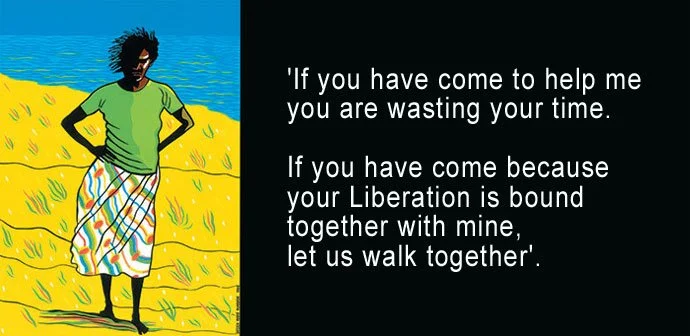
When I speak and think of Sweet Medicine as a library and public education centre, it is because I’m treating it as an ecology for a particular mode of relationship. It exists to create the conditions under which people can encounter one another through a reciprocal-attention kind of shared inquiry, whatever the inquiry is on—themselves, their communities, their histories, the world around them. Companionship in the presence of—and with—reality. Communion.