Sunrise Mill Estate (2021)
photography zine
published by Another Place Press, Scotland.
Also available as part of the Another Place Press catalog at the St Andrews University Library, Scotland.
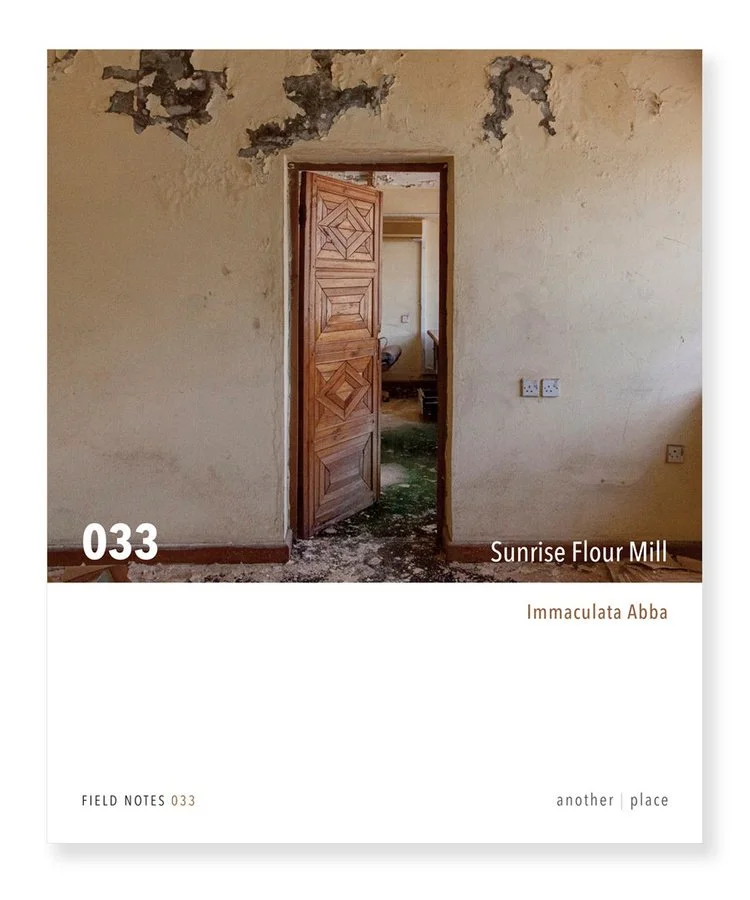
In 1983, the Enugu state government established the Sunrise Flour Mill with production lines for flour, semolina, and wheat.
Only two years later, in 1985, the mill went out of production as the industry could not survive the strain of an economic depression. The closing of the mill is one of the many instances of Nigeria’s deindustrialisation, a consequence of the forced abandonment of industrial policies induced by the IMF’s Structural Adjustment Programs (SAPs), which devastated many ‘developing’ economies around the world in the late twentieth century.
I shot these photographs of the building and its interiors to speak to the decay of Nigerian resources and capacity in the hands of consecutive administrations that continue to fail its potential. A flour mill that goes defunct after only two years of production, only to live for decades as an echo of its potential, is a metaphor for this period in Nigeria’s trajectory.
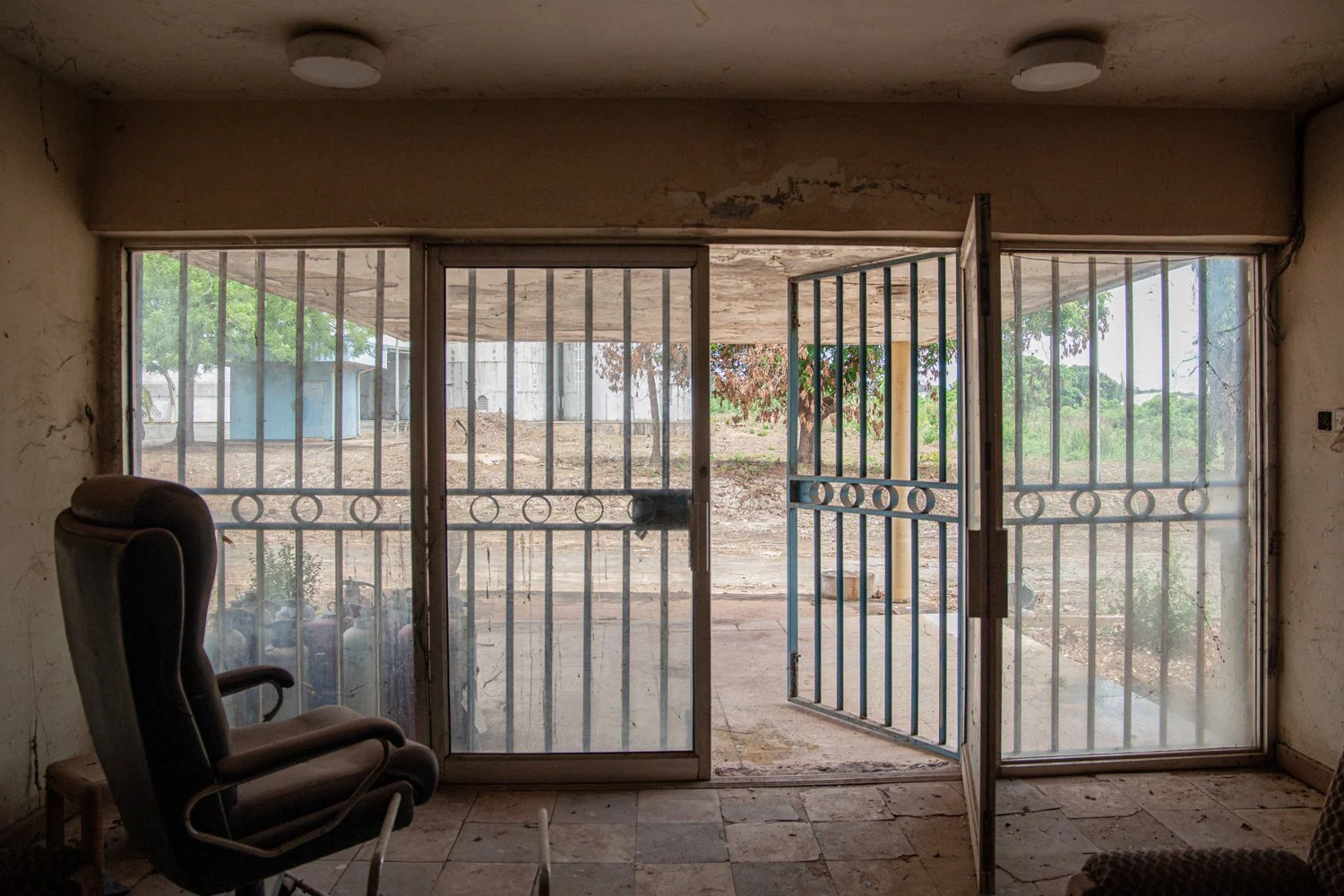
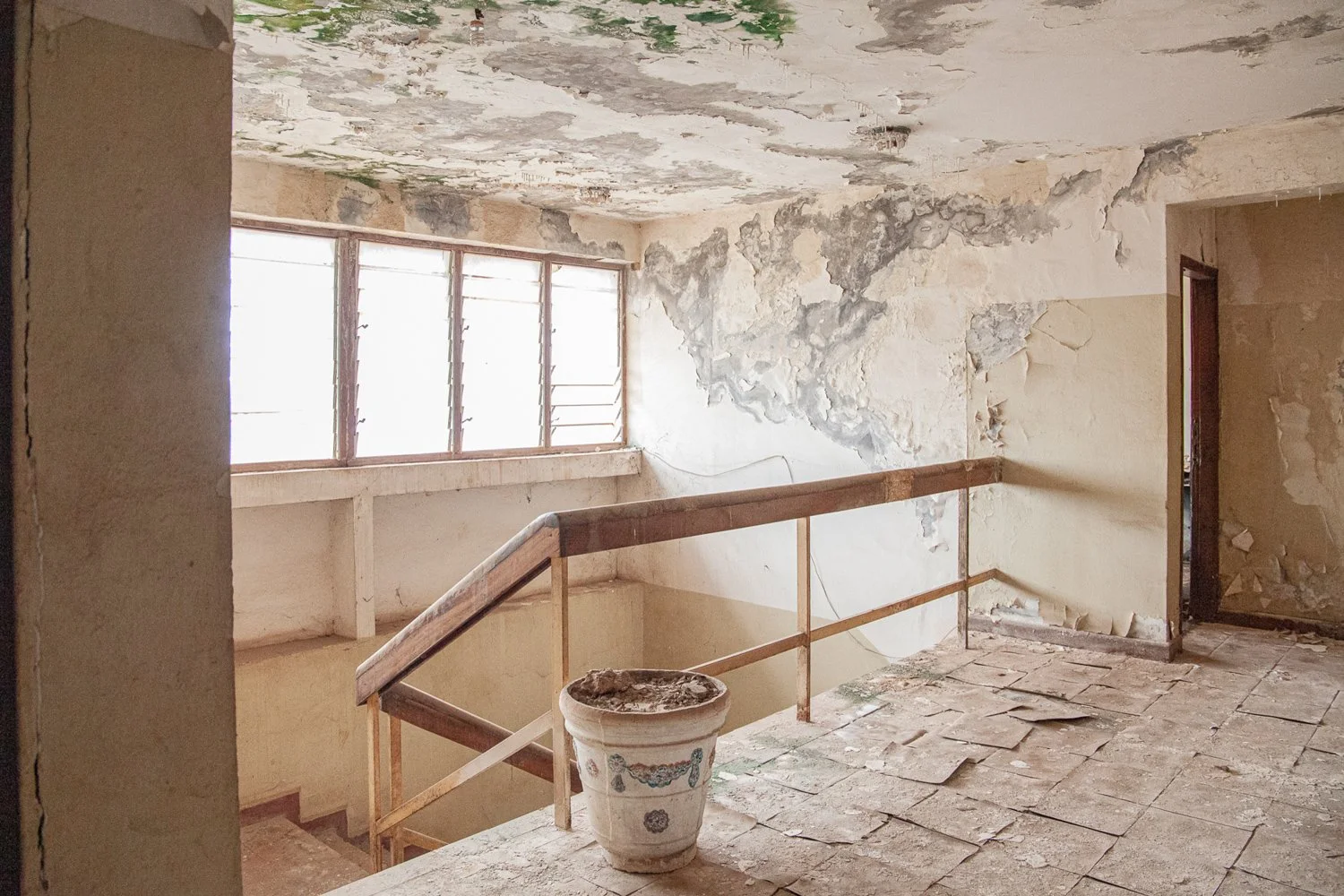
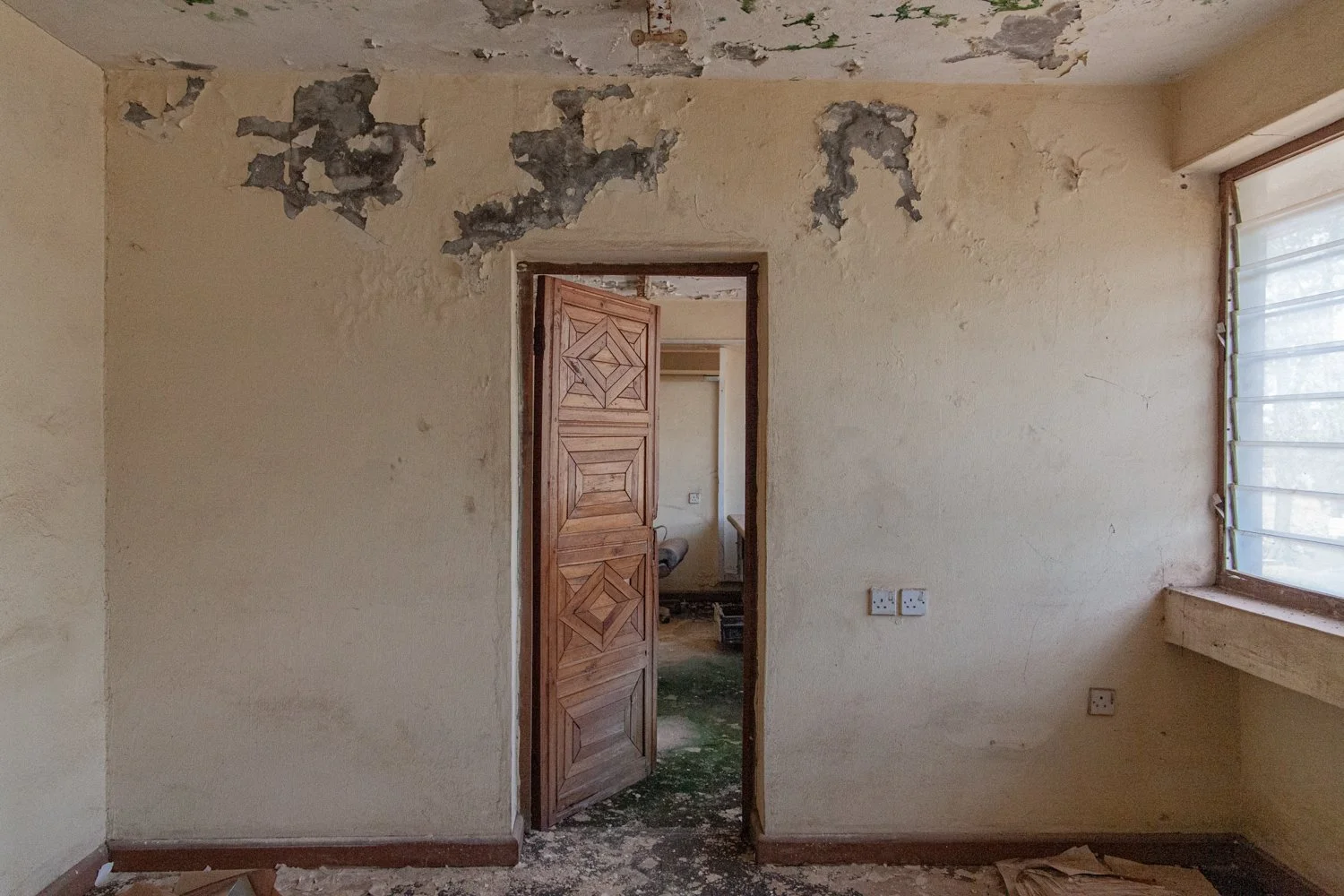
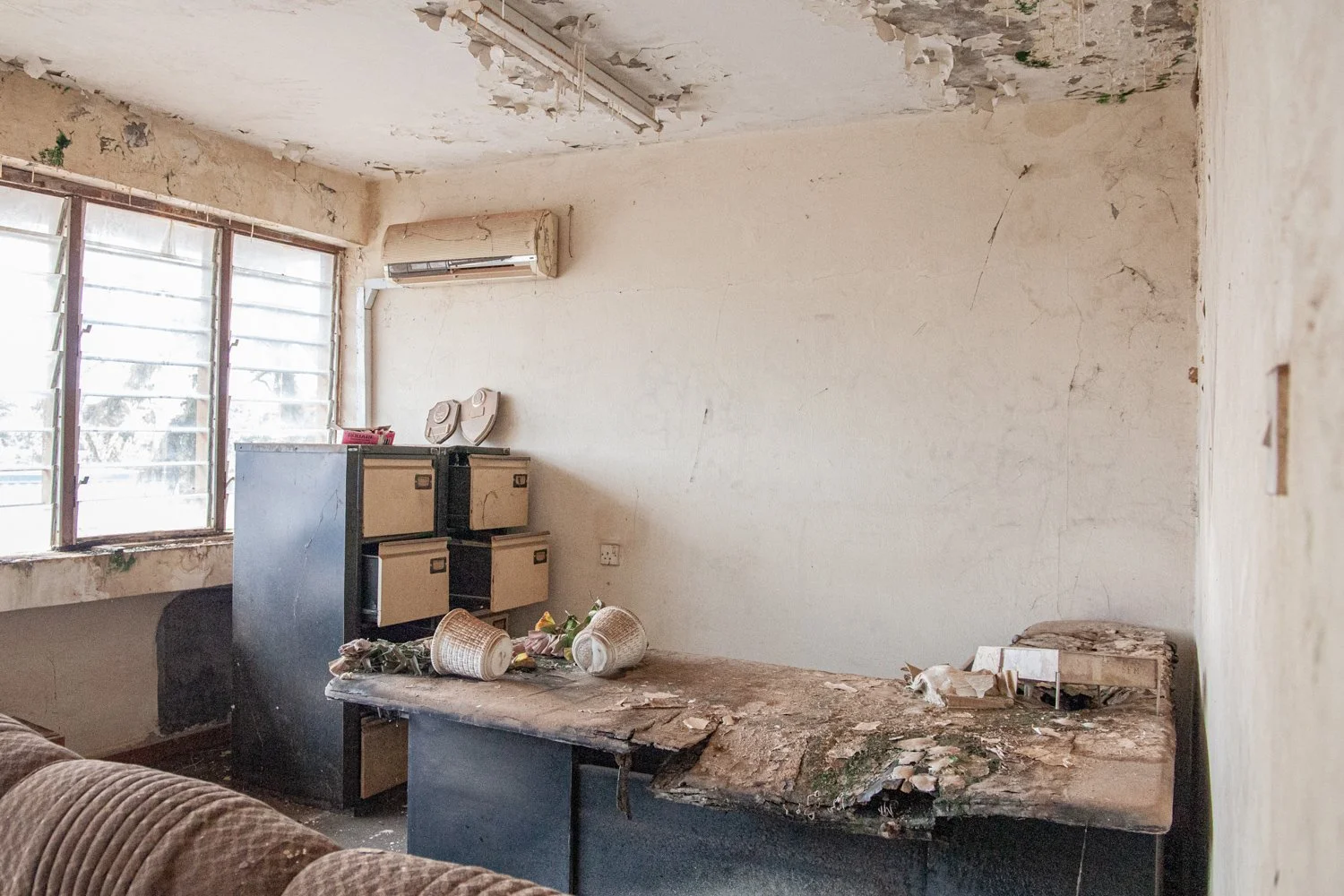
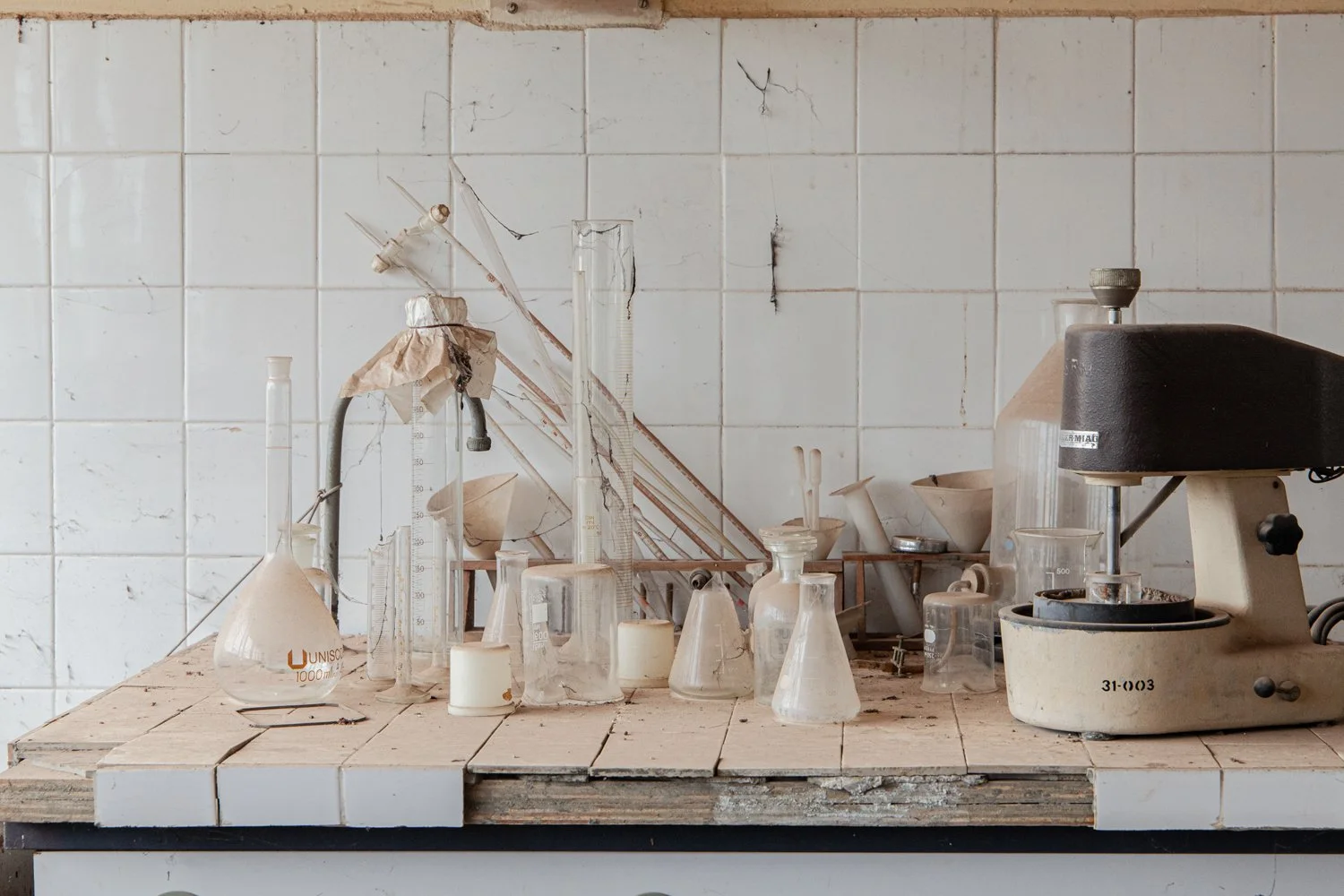
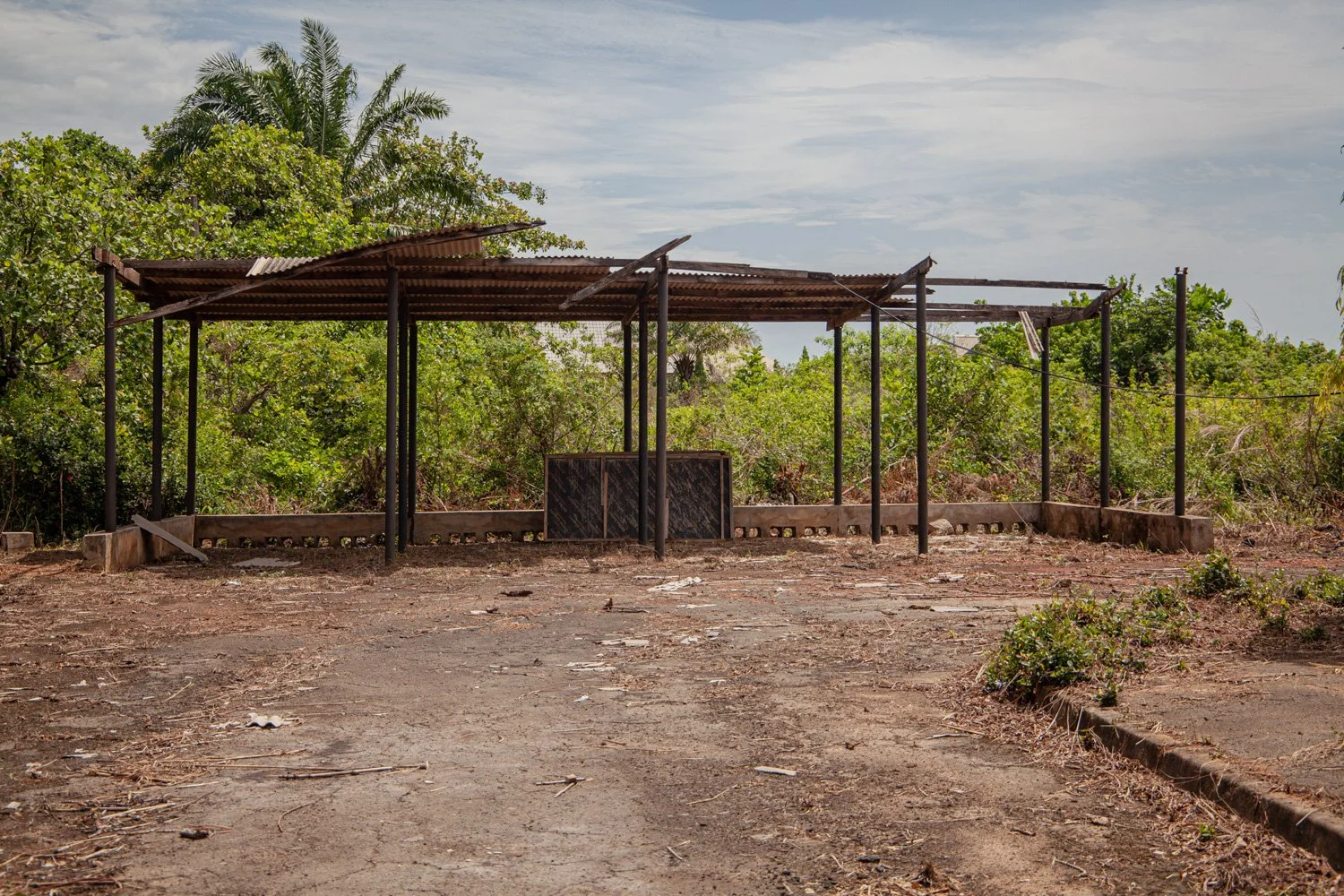
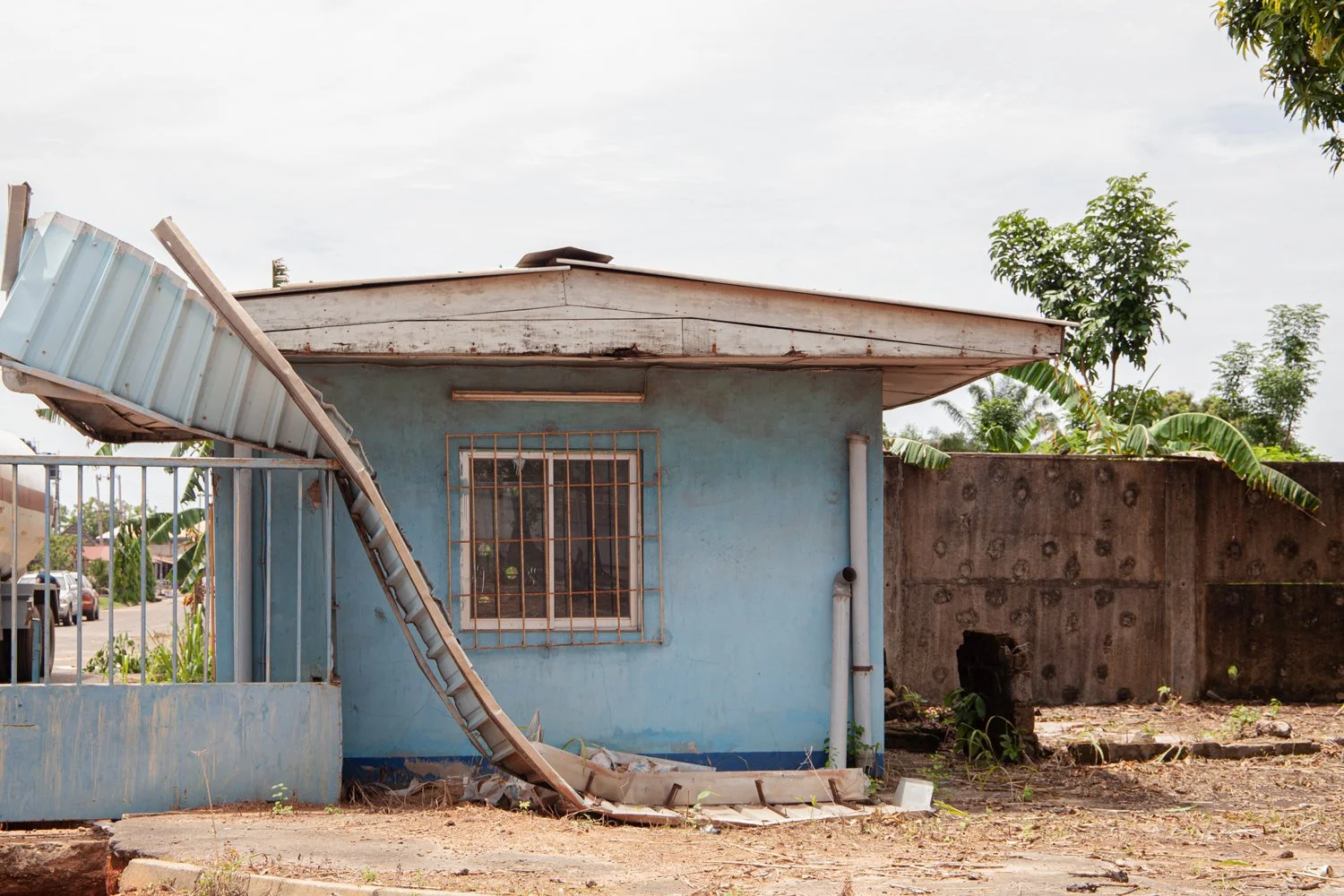
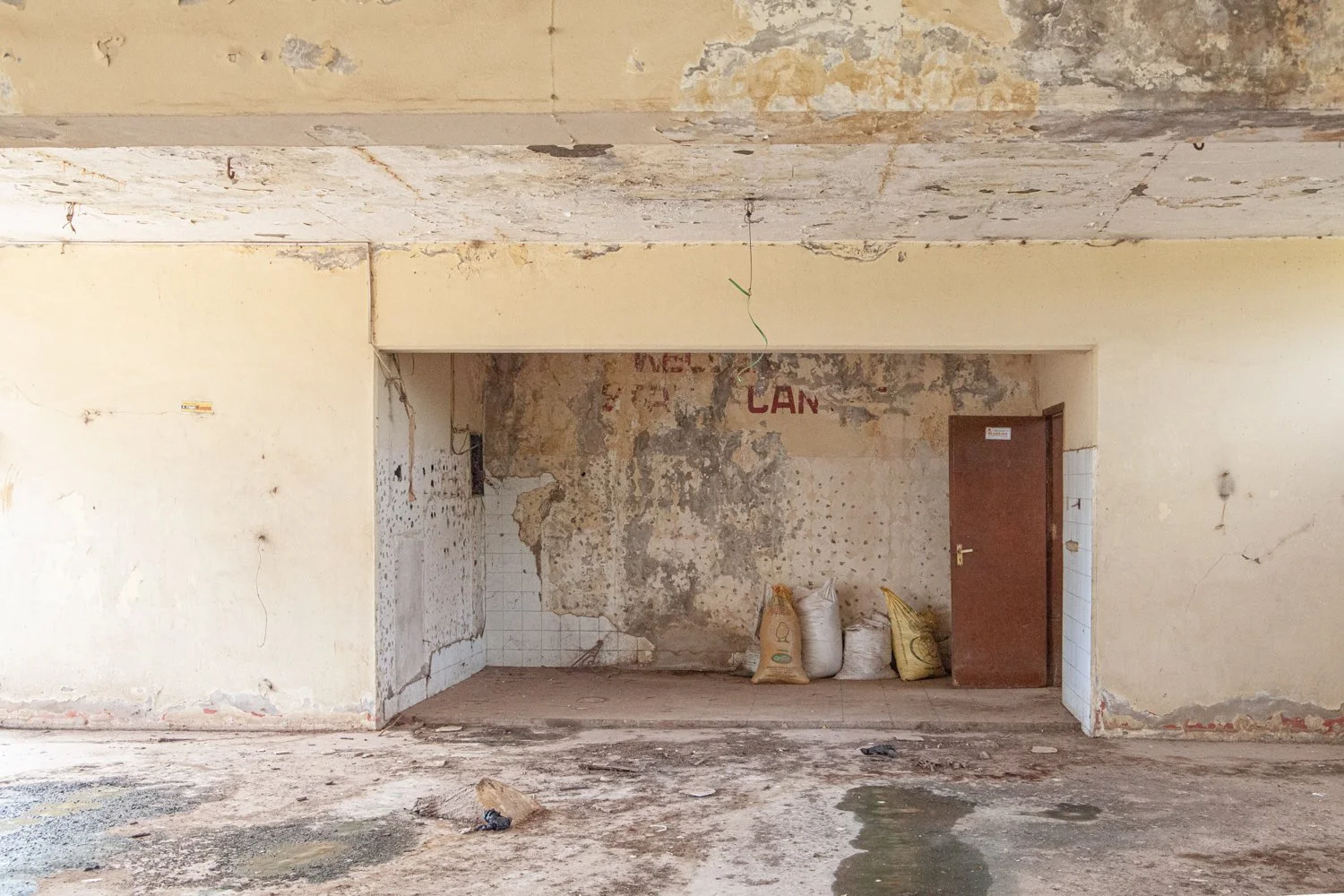
Beauty, which photography propagates, convinces so many of us to try again.
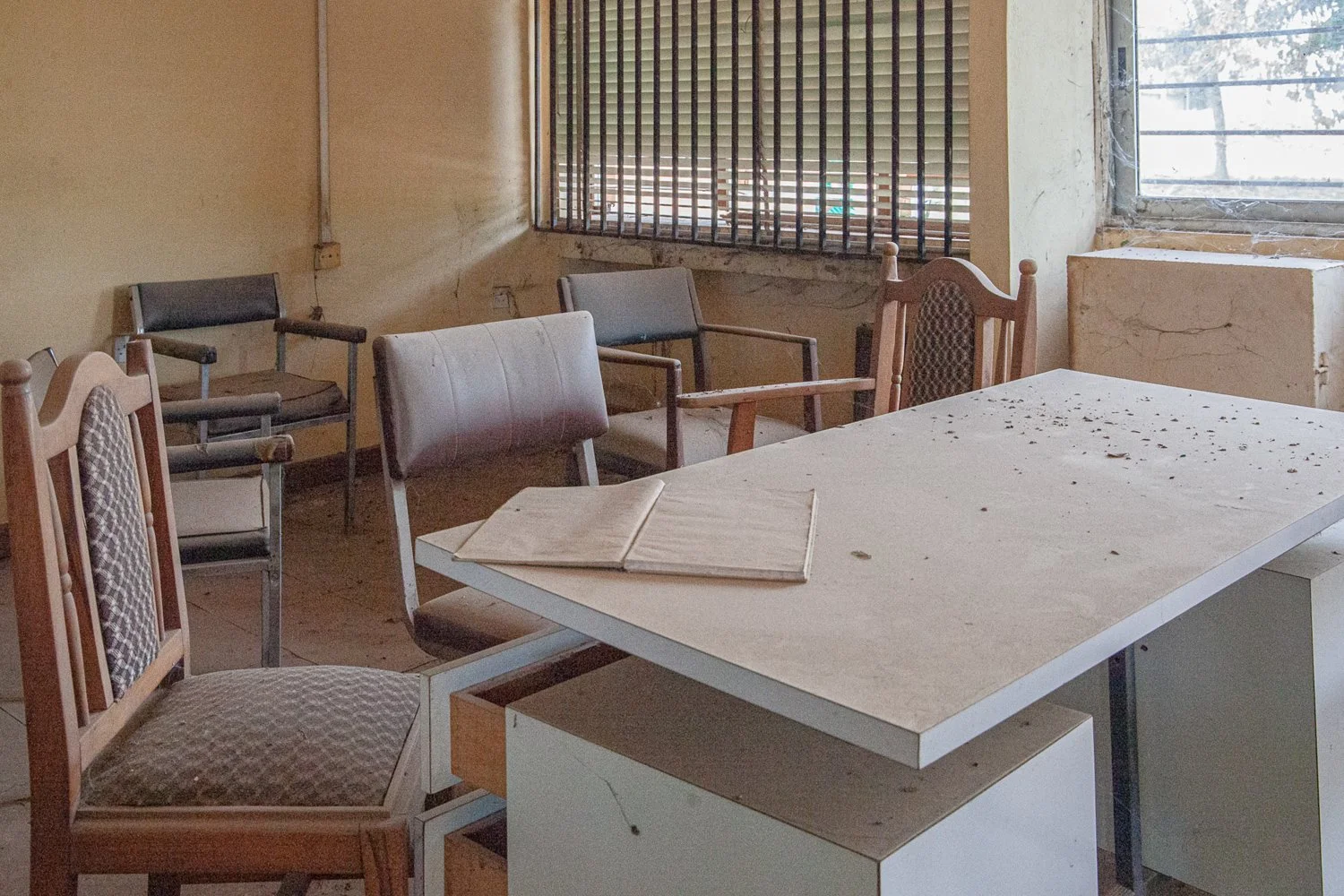
“The photograph was taken in the lab room in the administrative block, Sunrise Flour Mill Estate in Emene, Enugu, Nigeria.
Someone I knew was going there and needed photos, in case of incasity. I tagged along.
What makes this photograph special for me is the open book on the table. One day, somebody bought that book. The same person, or another, brought it to that room to record experiments or minutes. Around that same time, someone put those chairs around that table, for a purpose relating to that book. Walking through this room, as through all the other rooms in that admin block, I felt the presence of the people who had used it just before the silence took over. A lot was still in motion: test tubes and beakers in the sink, plugs just removed from their sockets, equipment on the table positioned at angles as though they were facing someone. I remember entering the room and thinking, in FK's voice from the I Said What I Said podcast, “Who was prepared for this?”
Life is still in that room, as in the rest of the building, even though it looks like desolation. In a lot of my work, I keep going back to the loss that Nigeria (who or whatever Nigeria actually is) makes out of lives. You know, you build a flour mill and it goes out of production only after two years. Forty years later, some photographer is still writing about the afterlife of that 2-year existence because we still need that mill and its ghost will have to suffice in the meantime. Just like, you know, my parents gave birth to their first son and only after eleven years, he died in an avoidable plane crash (no water at the airport, etc.). Twenty years later, the same photographer is still writing about the afterlife of that boy because we still need him and so his ghost...
Every Nigerian has many versions of this story threading through their lives. The photo, just like the entire collection it's from, is currently my primary metaphor for what living is like under Nigeria: so much else could be happening, and we are constantly mocked by it.
My approach to photography is to pay attention to the dignity, complexity, and history that enable us to imagine more beauty, care, and capacity in our lives.
Among many ways photography is impactful, here's one: beauty, which photography propagates, convinces so many of us, severally, to try again.”
from my feature in Tender Photo: